

ADHESIVES & SEALANTS
Specialty additives, adhesion promoters and functional fillers engineered for bond strength, wetting, air release, density control, reinforcement and long-term reliability.
The bond is only as good as the interface.
Adhesive performance begins before cure: substrate energy, wetting, trapped air, filler packing and interfacial chemistry decide whether a formulation builds durable contact.
Geocon supports formulators across waterborne, solventborne and reactive systems with additive families that improve processability, control density and reinforce the cured network—without losing sight of compatibility and application method.
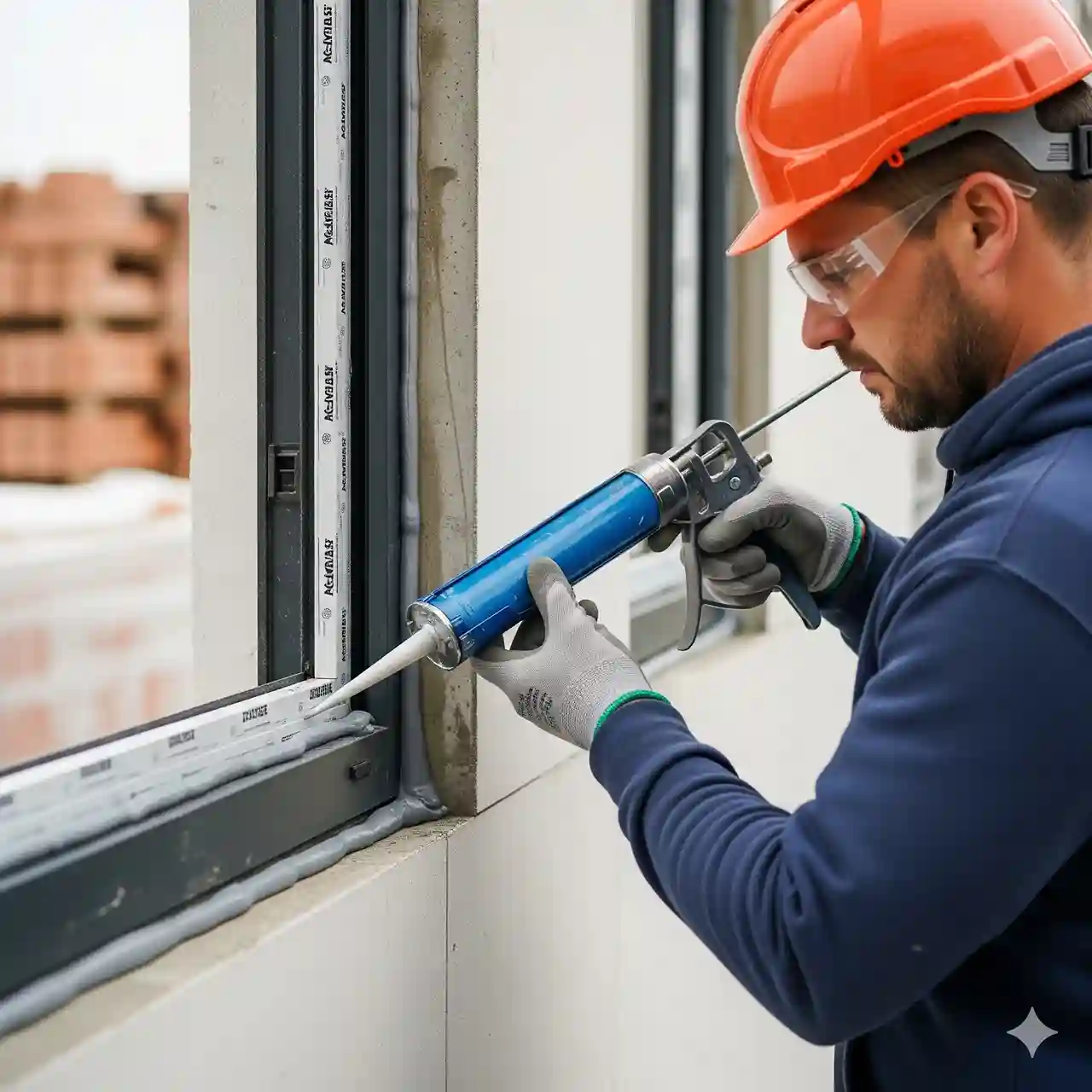
One interface challenge.
Six operating environments.
Construction
Joint sealants, glazing, façade, flooring, panel bonding, tile systems and weatherproofing.
Automotive & Transport
Structural bonding, hem-flange, body sealing, interiors, composites and lightweight assemblies.
Packaging & Labels
Carton sealing, paper converting, laminating, labelling and pressure-sensitive applications.
Electronics & Electrical
Potting, encapsulation, gasketing, component bonding and thermally functional assemblies.
Industrial & Appliances
Metal, glass, plastic, wood and composite bonding with controlled cure and gap filling.
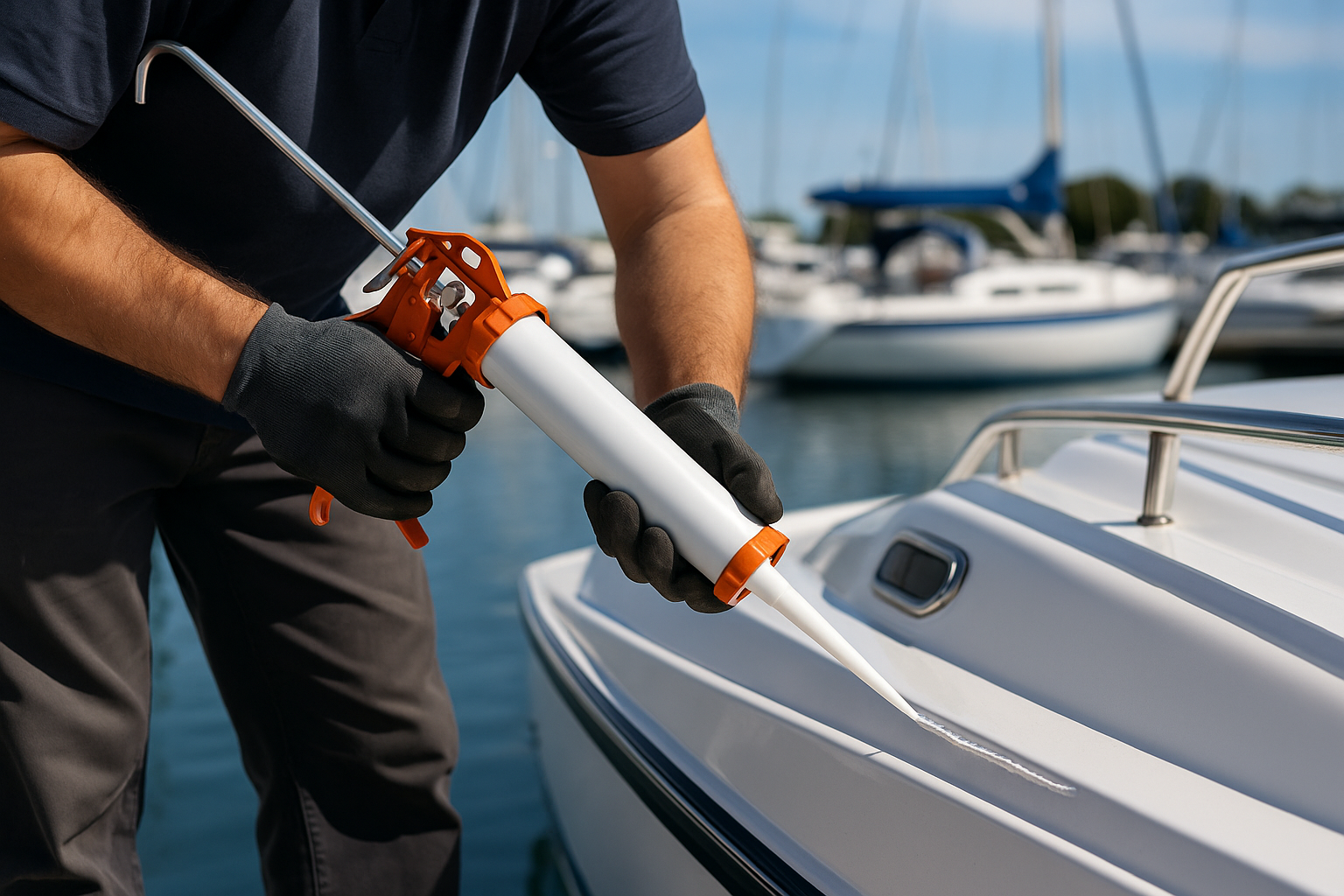
Marine & Composites
Deck and hull sealing, FRP assembly, vibration-resistant joints and moisture-exposed interfaces.
Match the additive
to the binder.
Acrylic / PVA / Latex
Wetting, defoaming, microbial protection, rheology and filler dispersion are key.
PACKAGING · WOOD · CONSTRUCTION
Polyurethane
Moisture control, adhesion promotion, bubble management and substrate compatibility.
1K · 2K · REACTIVE HOT MELT
Epoxy
Filler wetting, air release, lightweighting, reinforcement and toughness balance.
STRUCTURAL · FLOORING · ELECTRONICS
Silane-Terminated Polymer
Surface coupling, mineral-filler compatibility, moisture cure and joint performance.
CONSTRUCTION · AUTOMOTIVE · MARINE
Silicone
Substrate adhesion, filler treatment, cure compatibility and water resistance.
GLAZING · GASKETING · ELECTRONICS
Hot Melt
Open time, setting, heat stability and substrate wetting drive application speed.
EVA · PO · PA · PUR
Pressure Sensitive
Tack, peel, shear and surface energy require a controlled formulation balance.
ACRYLIC · RUBBER · SILICONE
Solventborne
Wetting, levelling, foam release and solvent compatibility guide additive selection.
CONTACT · LAMINATION · SPECIALTY
Five product families. Each earns its place.


Adhesion Promoters
Silane and other coupling technologies for stronger interaction between resin, substrate and mineral filler.
- Glass, metal and ceramics
- Mineral-filled systems
- Moisture-durable bonding
FOAMSTAB Defoamers
Silicone, silicone-free, mineral-oil, EO/PO and specialty options for manufacturing and application-stage foam control.
- Waterborne adhesives
- PVA systems
- Mixing and coating
Wetting & Levelling Additives
Surface-active options for low-energy substrates, uniform spread and controlled bead or film formation.
- Plastic and coated surfaces
- Thin adhesive films
- Waterborne and solventborne
Hollow Glass Microspheres
Low-density glass bubbles for weight reduction, volume yield, gap filling, sanding response and thermal functionality.
- Epoxy and PU
- Syntactic systems
- Sealants and mastics
GEOSPHERES
Ceramic microspheres for controlled texture, abrasion response, dimensional stability and formulation structure.
- Sealants and mastics
- Flooring adhesives
- Industrial compounds
Milled Glass Fibres
Short glass reinforcement for selected thermoset adhesives, repair compounds and structural gap-filling systems.
- Epoxy repair
- Composite bonding
- Dimensional control
Antimicrobial Additives
Silver-based, nano zinc oxide and other options for selected sealants and adhesives requiring hygienic surface positioning.
- Sanitary sealants
- Healthcare interiors
- HVAC assembly
Fluorinated Additives
Fluorosurfactants and fluorosilanes for demanding wetting, anti-soiling and surface-protection requirements.
- Specialty adhesive films
- Easy-clean joints
- Low surface tension
Link the defect
to the formulation lever.
| Formulation challenge | Geocon product route | Primary contribution |
|---|---|---|
| Poor substrate wetting | Wetting agents · fluorosurfactants · silanes | Improved contact and spread on compatible low-energy or contaminated surfaces. |
| Weak interfacial adhesion | Silane adhesion promoters · filler treatment | Coupling between organic resin and inorganic or polar substrate. |
| Foam and entrained air | FOAMSTAB silicone / silicone-free / mineral-oil defoamers | Air release, lower porosity and improved coating or bead appearance. |
| High density | 3M Hollow Glass Microspheres | Weight reduction, higher volume yield and gap filling at controlled strength. |
| Shrinkage / dimensional control | GEOSPHERES · mineral fillers · milled glass fibres | Build, reduced resin demand and reinforcement in compatible systems. |
| Sag and bead profile | Functional fillers · rheology support | Controlled body, shape retention and vertical-surface application. |
| Hygienic joint requirement | Antimicrobial additives | Selected antimicrobial functionality subject to formulation validation. |
| Water / soil repellency | Fluorosilanes · surface modifiers | Lower surface energy and easier cleaning where compatible. |
| Composite repair strength | Milled glass fibres · adhesion promoters | Reinforcement and load transfer in selected thermoset compounds. |
| Thermal management | Boron nitride · functional fillers | Electrically insulating thermal-filler pathway for electronic bonding systems. |
Design for application and service-not only initial bond strength.
A useful additive must survive mixing, application, cure and ageing. Screen it against the complete performance envelope.
Start with the substrate pair and failure mode.
Recommended starting levels and addition methods must be established for the selected grade and verified in the complete formulation.
Bring us the formulation,
substrate and failure mode.
Our team can help shortlist additive chemistry, define a dosage ladder and structure comparative tests before production evaluation.
Need Our Services?
Call: +91 97695 93030
Work Hours
Mon – Sat: 9:00 AM – 6:00 PM IST
Email Us
support@geoconproducts.com