Construction Additives
GEOCON · Construction Chemical Technologies

CONSTRUCTION
ADDITIVES

Specialty additives and raw materials engineered for concrete admixtures, precast, dry-mix mortars, tile adhesives, waterproofing, flooring, repair, protective coatings, natural-stone care and infrastructure systems.

Set Control Strength & Durability Rheology & Workability Lightweighting Surface Protection
07 Construction formulation families
25+ Functional additive routes
08 Major application sectors
05 Performance stages
360° Matrix-to-surface approach
From matrix to surface

Build
Performance
Into Every
Layer

A construction formulation succeeds only when its materials work together through mixing, placement, curing and service. GEOCON combines cement-set controllers, silica technologies, microspheres, latex polymers and surface additives so formulators can address both processing and finished performance.

Final grade and dosage should be established in the actual binder, aggregate, pigment, resin and water system under relevant temperature and application conditions.

Technology Platforms

Six Routes To
Construction
Performance

Each platform solves a defined formulation problem. The most effective systems often combine two or more compatible technologies.

01
Set & workability

Set Control & Admixtures

Control cement hydration, workability retention, early strength and polymer modification.

Sodium Gluconate Calcium Formate SBR / Acrylic Latex
02
Density & durability

Structural Performance

Support lightweighting, thermal control, impermeability, abrasion resistance and matrix refinement.

Glass Bubbles GEOSPHERES METASEAL AQUASILICA
03
Rheology & bonding

Mortar & Tile Systems

Optimise water retention, vertical hold, spreadability, open time, flow and adhesion.

Polymer Emulsions Microspheres Colloidal Silica
04
Weathering defence

Waterproofing & Protection

Improve water repellency, film formation, stain resistance, dirt resistance and microbial protection.

FLUORODYNE SRC / SRA FOAMSTAB Silver Additives
05
Finish & wear

Flooring & Coatings

Deliver substrate wetting, levelling, adhesion, foam control, wear resistance and texture.

Silane Promoters NUVVA GEOSPHERES FOAMSTAB
06
Restore & protect

Repair & Surface Care

Repair, densify, clean and protect concrete, natural stone, ceramic, tile and sanitaryware.

CERAFIX ECERAKLEEN NANO GP NANO C9
Applications

Designed Around Real Formulation Needs

Coverage spans cementitious matrices and resin-based construction systems.

01

Ready-Mix & Precast

Set time, slump retention, early strength, density and surface quality.

02

Dry-Mix Mortar & Tile Adhesive

Water retention, vertical hold, open time, bonding and spreadability.

03

Waterproofing Systems

Film formation, hydrophobicity, wetting, foam control and weatherability.

04

Epoxy & PU Flooring

Substrate wetting, levelling, adhesion, defoaming, wear and anti-slip texture.

05

Repair Mortars & Grouts

Strength, bonding, low permeability, crack control and surface densification.

06

Roof & Protective Coatings

Water resistance, dirt pickup resistance, stain protection and durability.

07

Natural Stone Care

Hydrophobic sealing, stain resistance, micro-fissure filling and safe cleaning.

08

Mining & Infrastructure

Shotcrete set control, dust suppression, lightweighting and slurry management.

Materials in action

Performance Must Be Visible

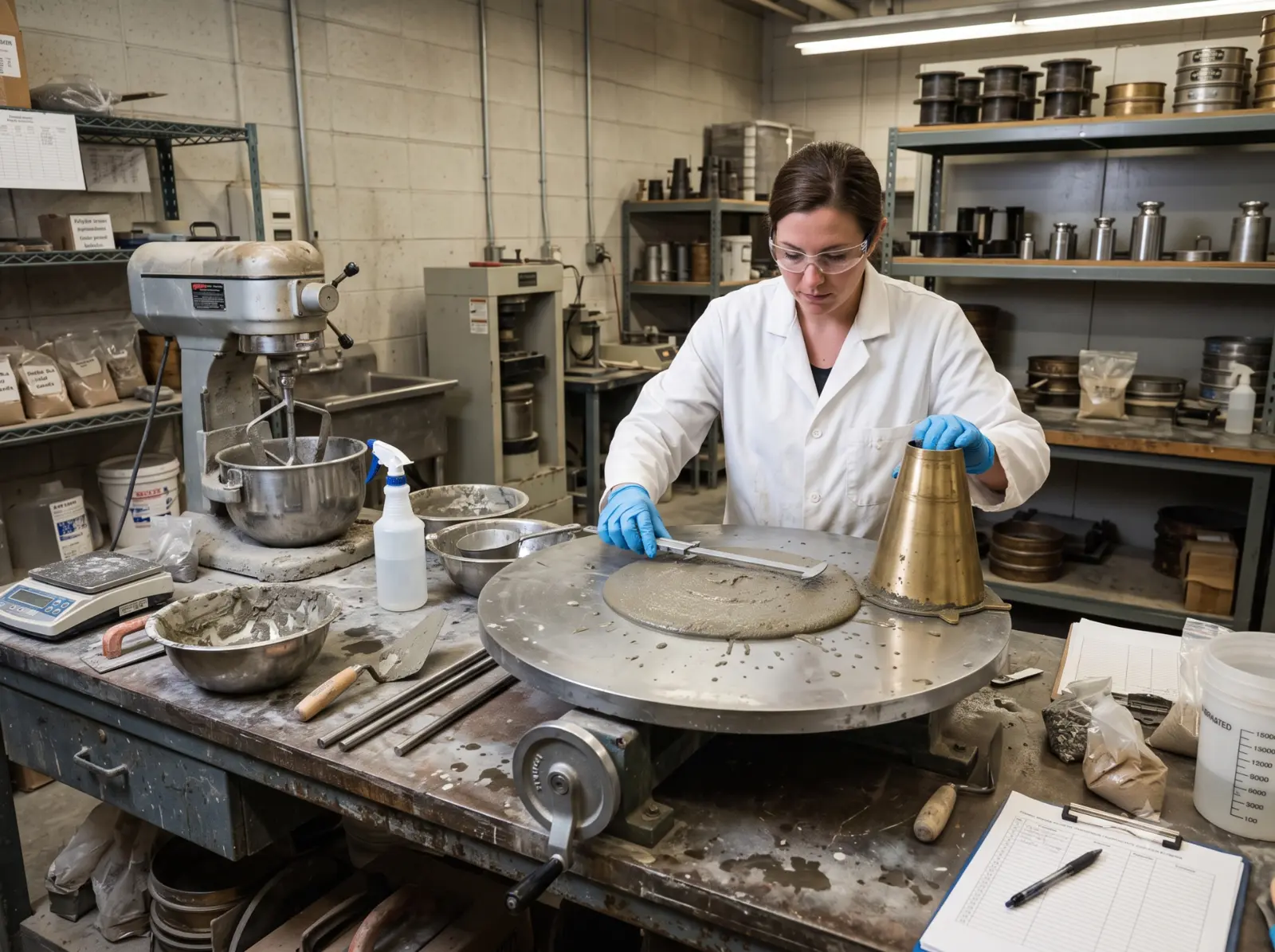
Real laboratory qualification connects additive selection with processing and finished construction performance.

Construction materials laboratory testing mortar formulation

From laboratory selection to site performance

Formulation screening connects measurable laboratory parameters with mixing, application, curing and final service behaviour.

Construction applications

CHEMISTRY WORKING ACROSS THE JOBSITE

Application-specific imagery connects laboratory selection with construction performance.

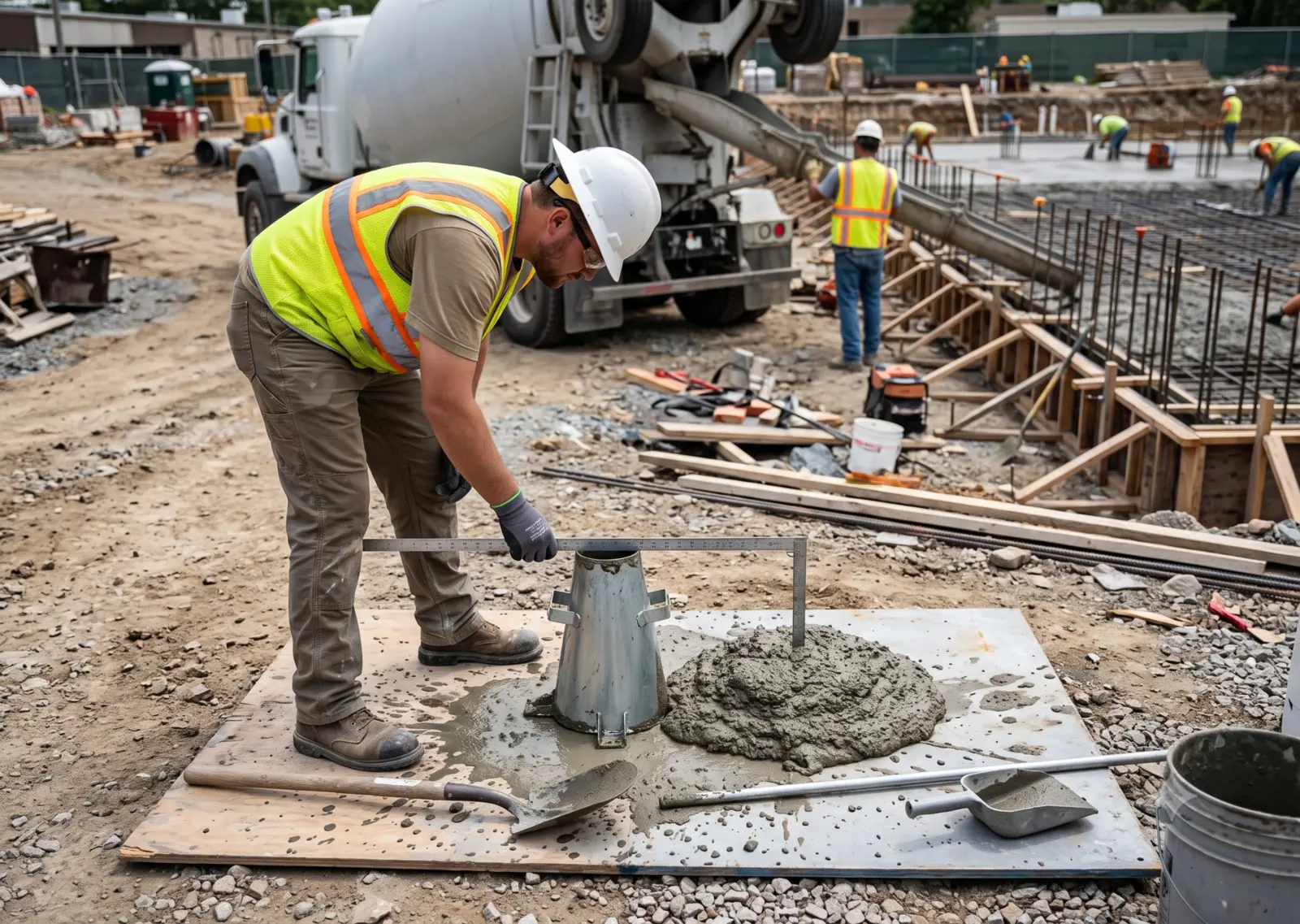
Ready-mix concrete truck transporting formulated concrete

Ready-Mix Concrete

Workability, set control and consistency

High-rise concrete pumping and placement

High-Rise Placement

Pumpability and controlled performance

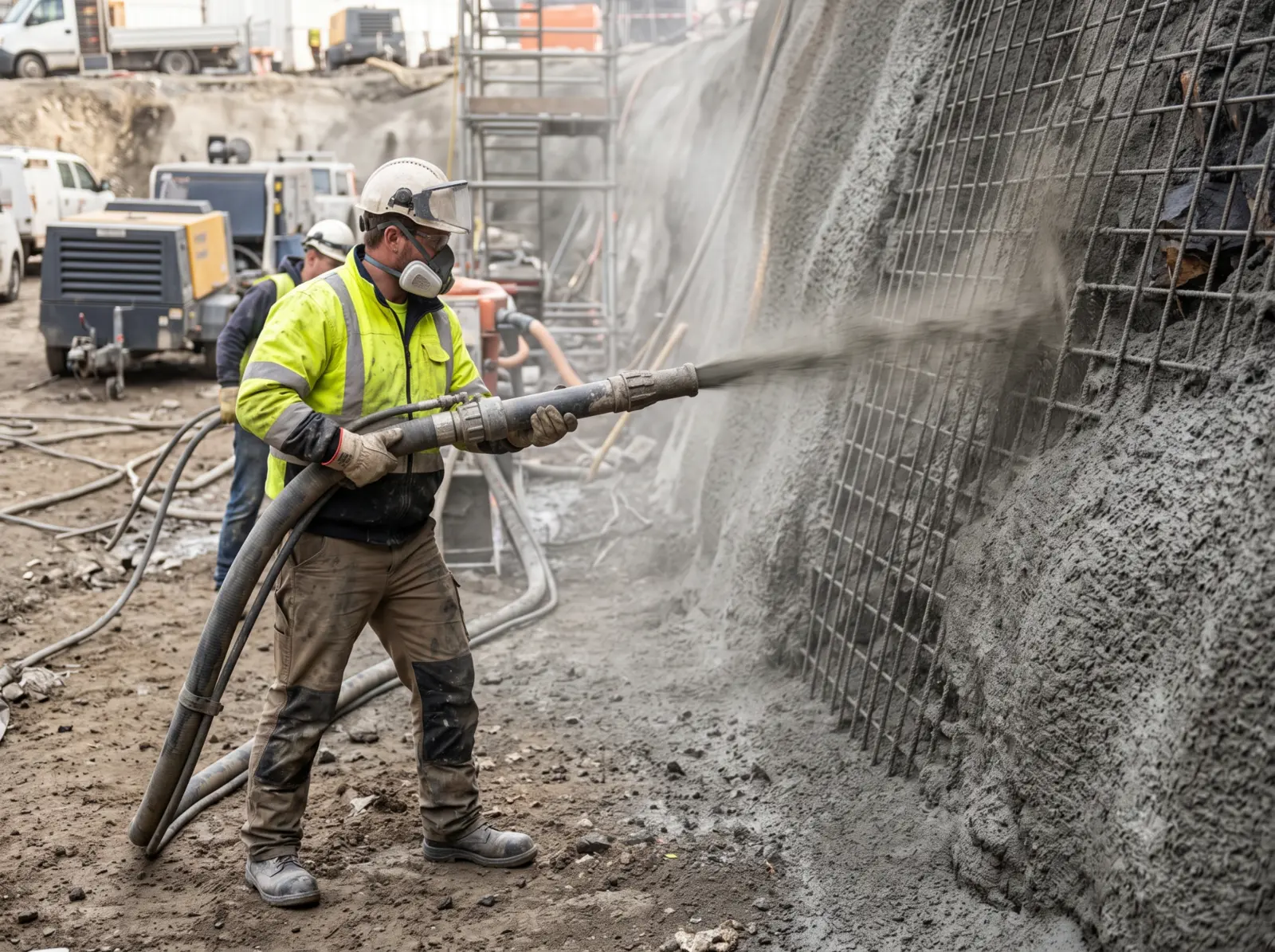
Wet-mix shotcrete application on reinforced surface

Shotcrete & Tunnelling

Set control, adhesion and rebound management

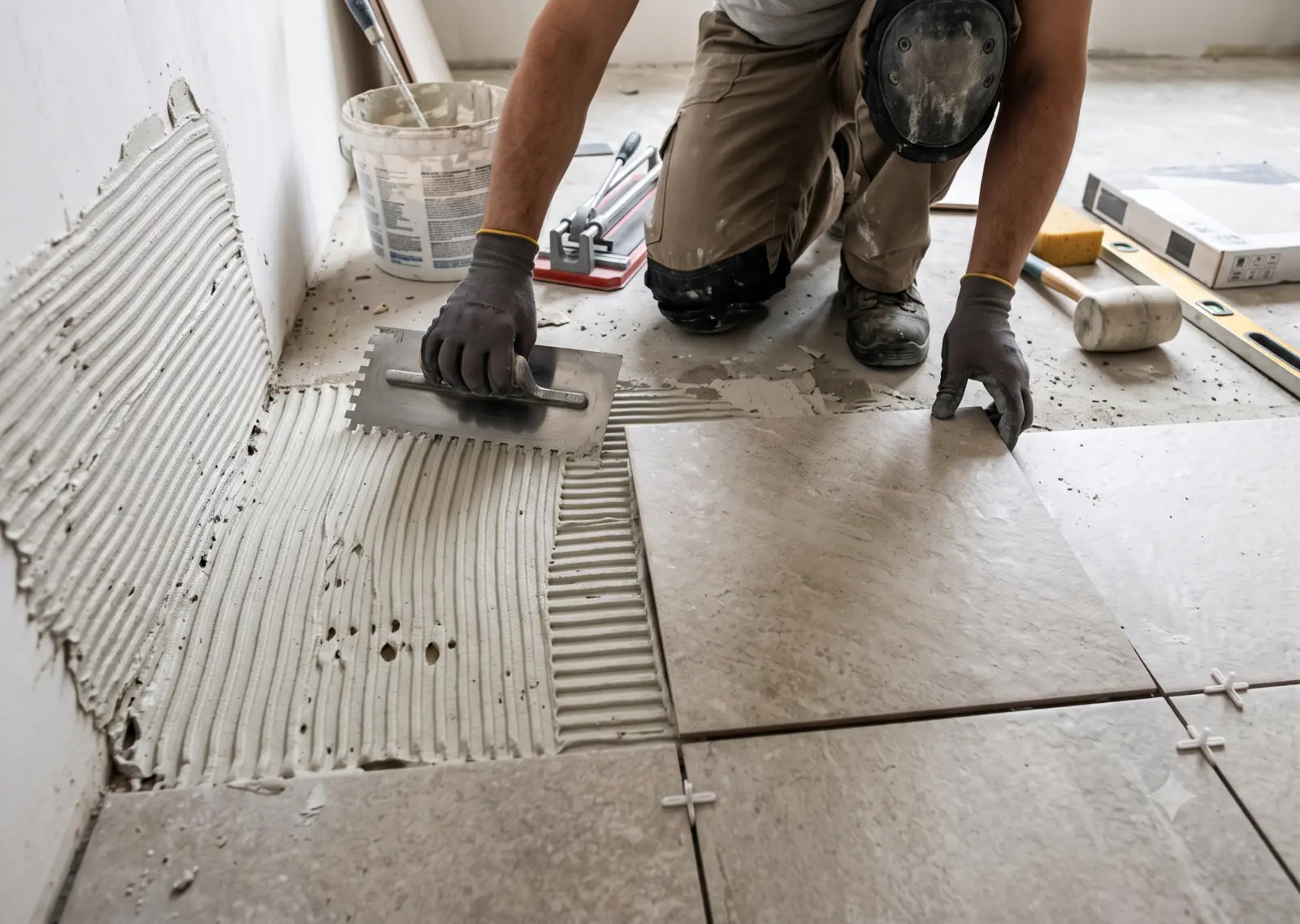
Tile adhesive applied with a notched trowel

Tile Adhesive

Open time, vertical hold and bonding

Seamless industrial epoxy flooring

Epoxy Flooring

Levelling, defoaming and wear resistance

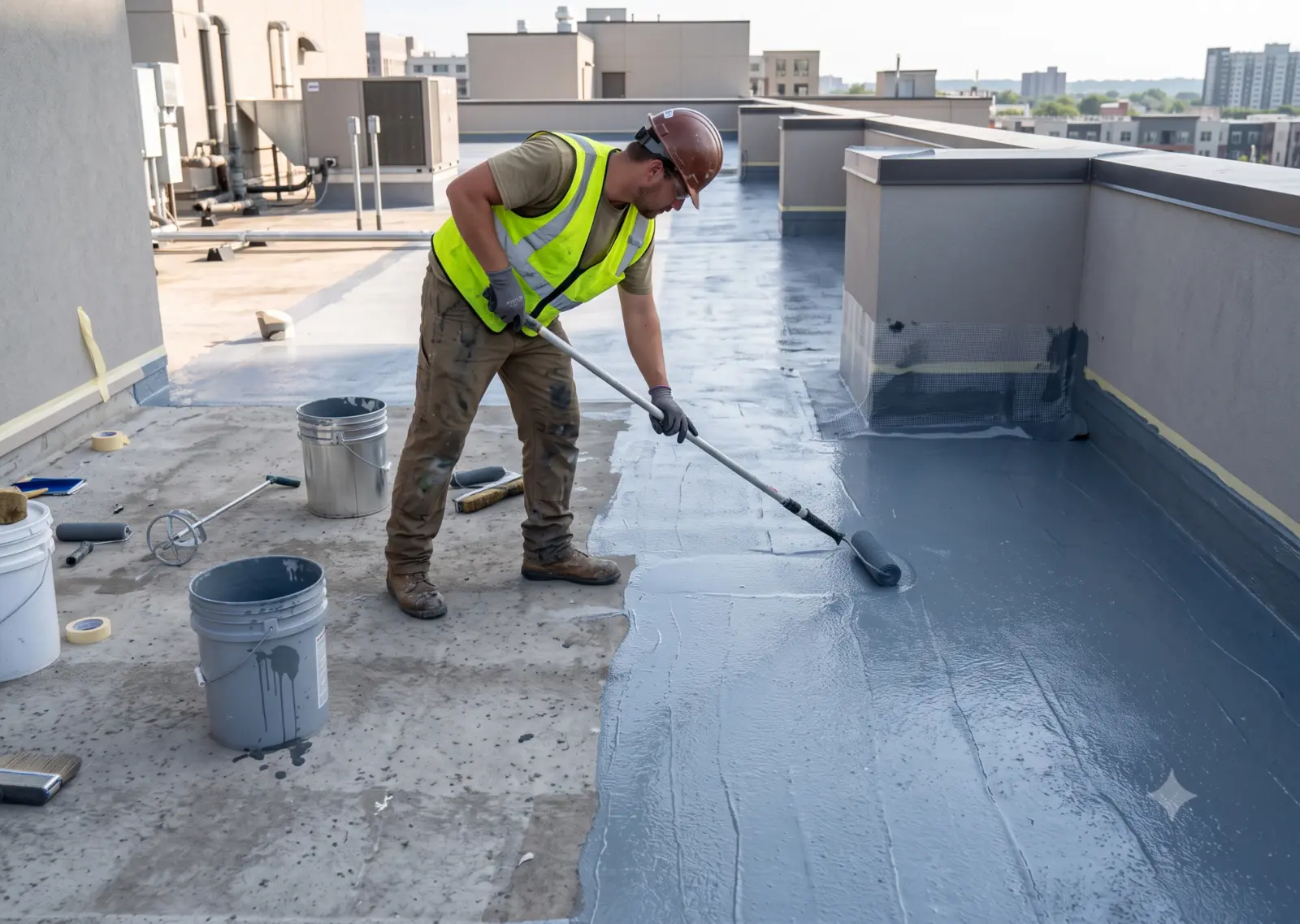
Liquid waterproofing membrane applied on roof

Roof Waterproofing

Film formation and water resistance

Worker preparing repair mortar

Repair Mortars

Bond, strength and dimensional stability

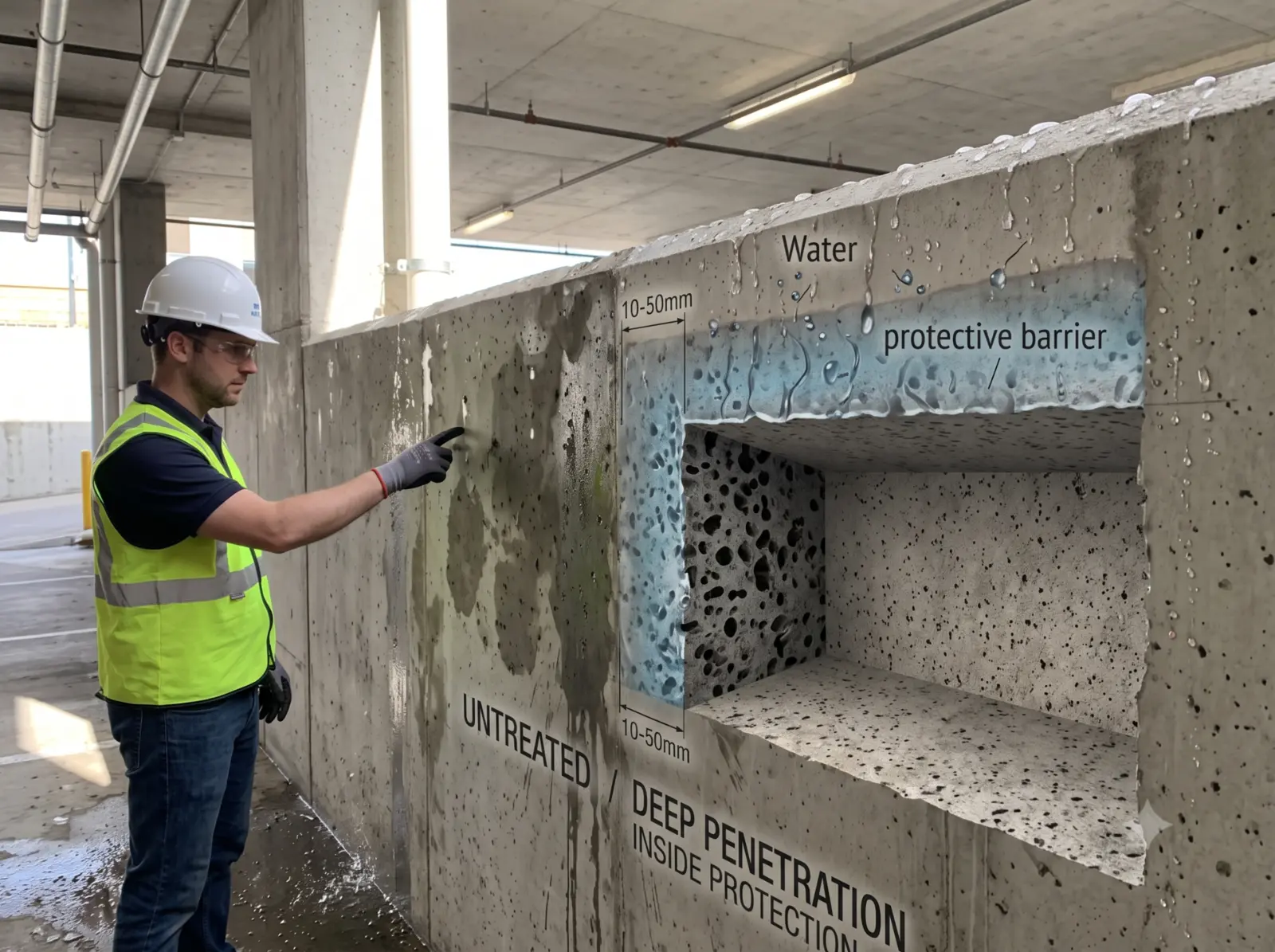
Concrete waterproofing penetration demonstration

Deep Protection

Water repellency and substrate penetration

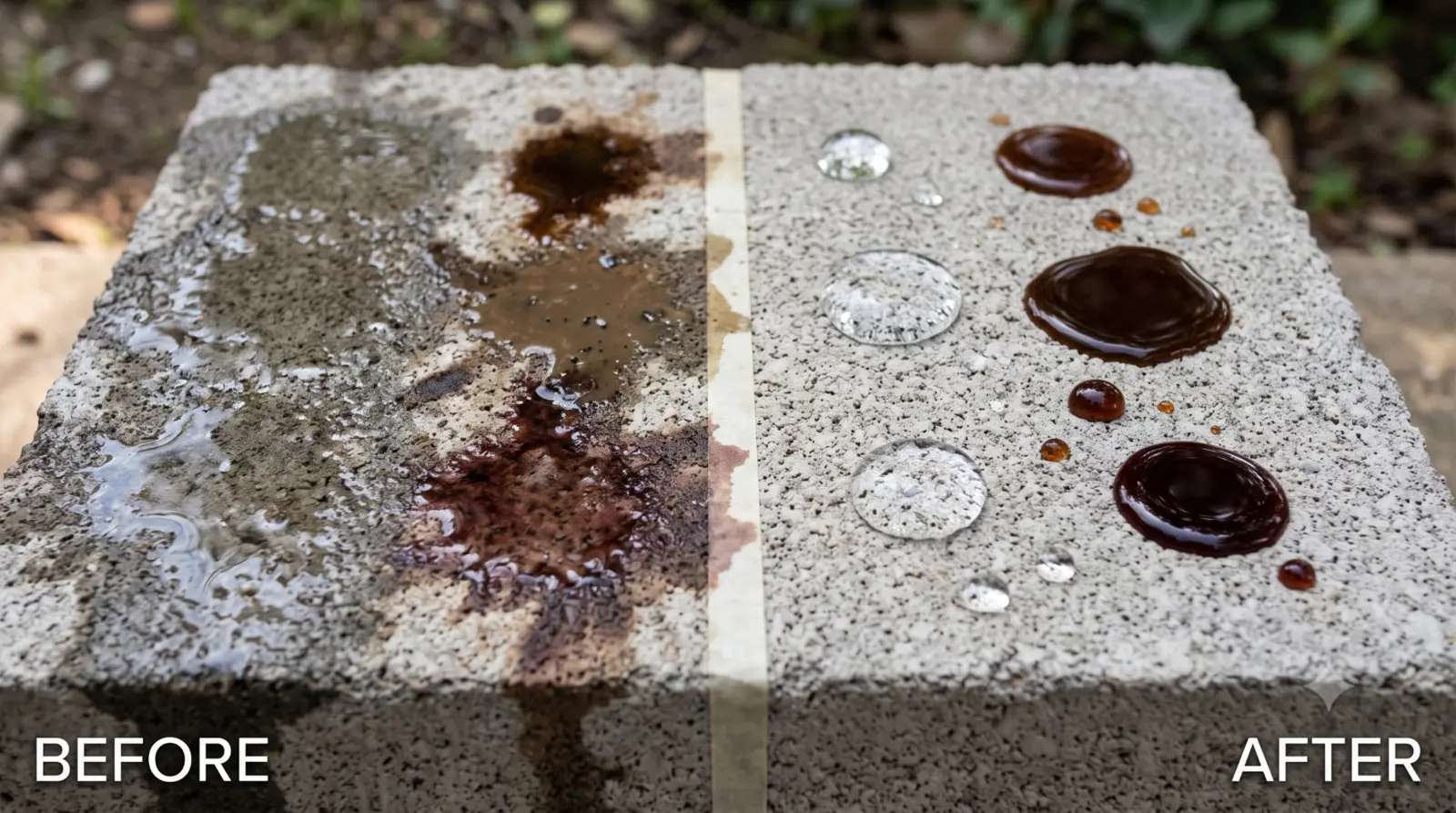
Before and after stain resistance on concrete

Stain Resistance

Visible before-and-after protection

Select Chemistry by Function

Select Chemistry
By Function

Browse by chemistry and functional role. The product cards below use generic chemistry names to make selection easier; final grade and dosage should be confirmed by application testing.

01
Set retarder & workability control

Sodium Gluconate

Cement hydration-control additive used to delay setting and support workability retention in suitable concrete, grout and mortar systems.

READY-MIX PRECAST GROUT DRY MIX
02
Non-chloride accelerator

Calcium Formate

Powder accelerator used to support early hydration and early-strength development in cementitious construction formulations.

TILE ADHESIVES REPAIR MORTARS PRECAST
03
Polymer modification

SBR & Acrylic Latex

Polymer emulsions used to improve adhesion, cohesion, flexibility, water resistance and durability in cementitious and protective systems.

BONDING WATERPROOFING REPAIR MODIFIED MORTARS
04
Reactive pozzolanic mineral

High Reactivity Metakaolin

High-reactivity calcined mineral additive used to refine the cement matrix and support strength, durability and reduced permeability.

HIGH-PERFORMANCE CONCRETE GROUT REPAIR
05
Nano silica dispersion

Colloidal Silica

Aqueous nano-silica technology for matrix refinement, densification, early performance development and selected surface-treatment systems.

CONCRETE GROUT REPAIR DENSIFIERS
06
Low-density functional filler

Hollow Glass Microspheres

Closed-shell hollow glass microspheres used to reduce formulation density while supporting thermal and lightweighting performance.

LIGHTWEIGHT MORTAR PANELS COMPOSITES COATINGS
07
Functional ceramic sphere

Ceramic Microspheres

Ceramic microspheres used to support spreadability, volume efficiency, abrasion resistance, texture and thermal performance.

MORTAR COATINGS FLOORING REPAIR
08
Rheology modification

Thickeners & Modifiers

Mineral and polymeric rheology modifiers used to control consistency, anti-sag behaviour, vertical hold, suspension and application flow.

TILE ADHESIVE PUTTY SKIM COAT WATERPROOFING
09
Water-repellent surface treatment

Penetrating Silanes & Siloxanes

Penetrating hydrophobic treatments for mineral substrates designed to reduce water absorption while maintaining a breathable surface.

FAÇADE CONCRETE MASONRY NATURAL STONE
10
Foam control

Defoamers / Anti-Foams

Mineral-oil, polymeric, silicone and specialty foam-control chemistries for production, mixing and application of construction formulations.

LATEX WATERPROOFING MORTAR COATINGS
11
Wetting & substrate contact

Wetting Agents

Surface-active additives used to improve substrate wetting, pigment and filler wetting, flow, spreading and application uniformity.

EPOXY PU WATERPROOFING PROTECTIVE COATINGS
12
Repair & restoration

Ceramic Repair Compounds

Specialty repair compounds for ceramic, tile, sanitaryware and related hard surfaces where localized restoration and defect repair are required.

CERAMIC TILE SANITARYWARE HARD-SURFACE REPAIR
Fast Selection Guide

Match the additive to the problem

Formulation Challenge Technology Route Typical Systems Key Validation
Setting too quickly Sodium gluconate / retarder Concrete, grout, mortar Set time, slump, strength
Low early strength Calcium formate / nano silica Dry mix, repair, precast 1-day strength, workability
High density Hollow glass or ceramic microspheres Mortar, panels, coatings Density, crush, rheology
Sagging or poor hold Rheology modifier Tile adhesive, putty Slip, open time, spread
Foam and pinholes Defoamer / anti-foam Latex, waterproofing, flooring Air content, compatibility
Poor substrate wetting Wetting agent Epoxy, PU, coatings Contact angle, craters, adhesion
Water or stain pickup Penetrating silanes / siloxanes Façade, stone, roof coatings Absorption, stain, weathering
Low abrasion resistance Ceramic microspheres / hard fillers Flooring, protective coatings Wear, scratch, gloss
MATRIX TO SURFACE
Formulation Strategy

Build Performance Through Five Stages

01 · MIX

Disperse & control foam

Achieve uniform addition without excessive air entrainment.

02 · APPLY

Control flow & wetting

Balance pumpability, spread, vertical hold and substrate contact.

03 · CURE

Manage set & strength

Align hydration and film formation with the construction schedule.

04 · PERFORM

Carry load & resist wear

Design strength, density, adhesion, insulation and abrasion resistance.

05 · PROTECT

Resist water & weathering

Maintain appearance and performance under environmental exposure.

CONSTRUCTION ADDITIVE EXPERTISE

APPLICATION-LED MATERIAL SELECTION

Concrete admixture raw materials

Concrete performance depends on the interaction between cement composition, supplementary cementitious materials, aggregates, water, temperature and admixture sequence. Sodium gluconate can support set retardation and workability retention, while calcium formate is used as a non-chloride acceleration route in suitable dry-mix and cement systems. Nano silica and reactive mineral additions can help refine the cement matrix when correctly dispersed and dosed.

Dry-mix mortar and tile-adhesive additives

Mortars must balance water demand, mixing behaviour, spreadability, vertical hold, open time, adhesion and cured durability. Polymer modification, rheology control, lightweight fillers and silica technologies should be evaluated as a complete package rather than in isolation.

Waterproofing, flooring and protective coatings

Resin-rich construction systems often require defoaming, substrate wetting, levelling and adhesion promotion. Surface-protection additives can further reduce water, dirt and stain pickup. Because surface-active ingredients may interact, compatibility, recoat adhesion and weathering must be verified in the finished formulation.

Repair, restoration and infrastructure

Repair materials require bond strength, dimensional stability and compatibility with the parent substrate. Infrastructure and tunnelling applications add demands such as pumpability, rapid set, dust control and lightweighting. GEOCON supports screening around the actual job condition rather than relying only on generic dosage ranges.

Technical questions

FAQ

Use these answers to structure the first technical discussion. Final recommendations require formulation data and trials.

How should a construction additive be selected?
Start with the binder or resin, application method, target property, temperature, service exposure and applicable standard. Then screen compatibility, dosage and side effects.
Can one dosage work in every cement system?
No. Cement chemistry, SCM content, water quality, temperature, aggregates and other admixtures can materially change the response.
What information is needed for product recommendation?
Share the complete formulation, batch process, substrate, current problem, test method, target performance, service environment and incumbent product dosage.
Can sodium gluconate be used for slump retention?
It can contribute to hydration control and workability retention, but excessive dosage may cause long delays. Laboratory set-time and strength testing is essential.
Where is calcium formate most useful?
It is commonly screened in dry-mix mortars, tile adhesives, repair products and selected precast systems where non-chloride early-strength support is required.
Are hollow microspheres suitable for structural concrete?
Suitability depends on required strength, pressure exposure and dosage. They are more commonly considered in engineered lightweight mortars, panels, grouts, coatings and specialty systems.
What is the difference between microsilica and colloidal silica?
Microsilica is a fine solid pozzolan, while colloidal silica is a stable dispersion of nanoscale silica particles. Their handling, water demand, dispersion and performance routes differ.
How is a defoamer selected for waterproofing or flooring?
Match it to the resin or polymer emulsion, mixing shear, application thickness and curing route. Evaluate both immediate foam knockdown and long-term compatibility.
Can surface additives affect adhesion?
Yes. Excessive migration or incompatible surface-active chemistry may reduce intercoat or substrate adhesion, so dosage and recoat testing are important.
Does GEOCON support laboratory qualification?
GEOCON can support grade selection and application screening using the customer's actual system, defined test methods and comparative performance targets.

Bring us the formulation challenge We will help define the chemistry

Need Our Services?

Call: +91 97695 93030

Work Hours

Mon – Sat: 9:00 AM – 6:00 PM IST

Email Us

support@geoconproducts.com