

Pure dehydroxylated amorphous aluminosilicate pozzolan manufactured by flash calcination of purified kaolinite clay. Designed for rapid calcium-hydroxide consumption, high early pozzolanic strength, efflorescence control and off-white color compatibility.
CONSUME Ca(OH)₂
BUILD A DENSER MATRIX
The supplied TDS positions HRM as a rapid calcium-hydroxide-consuming aluminosilicate pozzolan. The supplied infographic visually explains the pozzolanic reaction and C-S-H formation.
FROM CALCINED CLAY TO DURABILITY
Metakaolin does not behave like an inert extender. Its amorphous silica and alumina participate in the alkaline cement-pore solution.
Cement hydrates
Portland cement hydration generates calcium hydroxide, Ca(OH)₂.
HRM reacts
Reactive aluminosilicate phases consume calcium hydroxide in the presence of water.
Secondary hydrates form
Additional cementitious reaction products develop and occupy pore space.
Pore structure refines
The matrix becomes denser, supporting reduced permeability and improved durability.
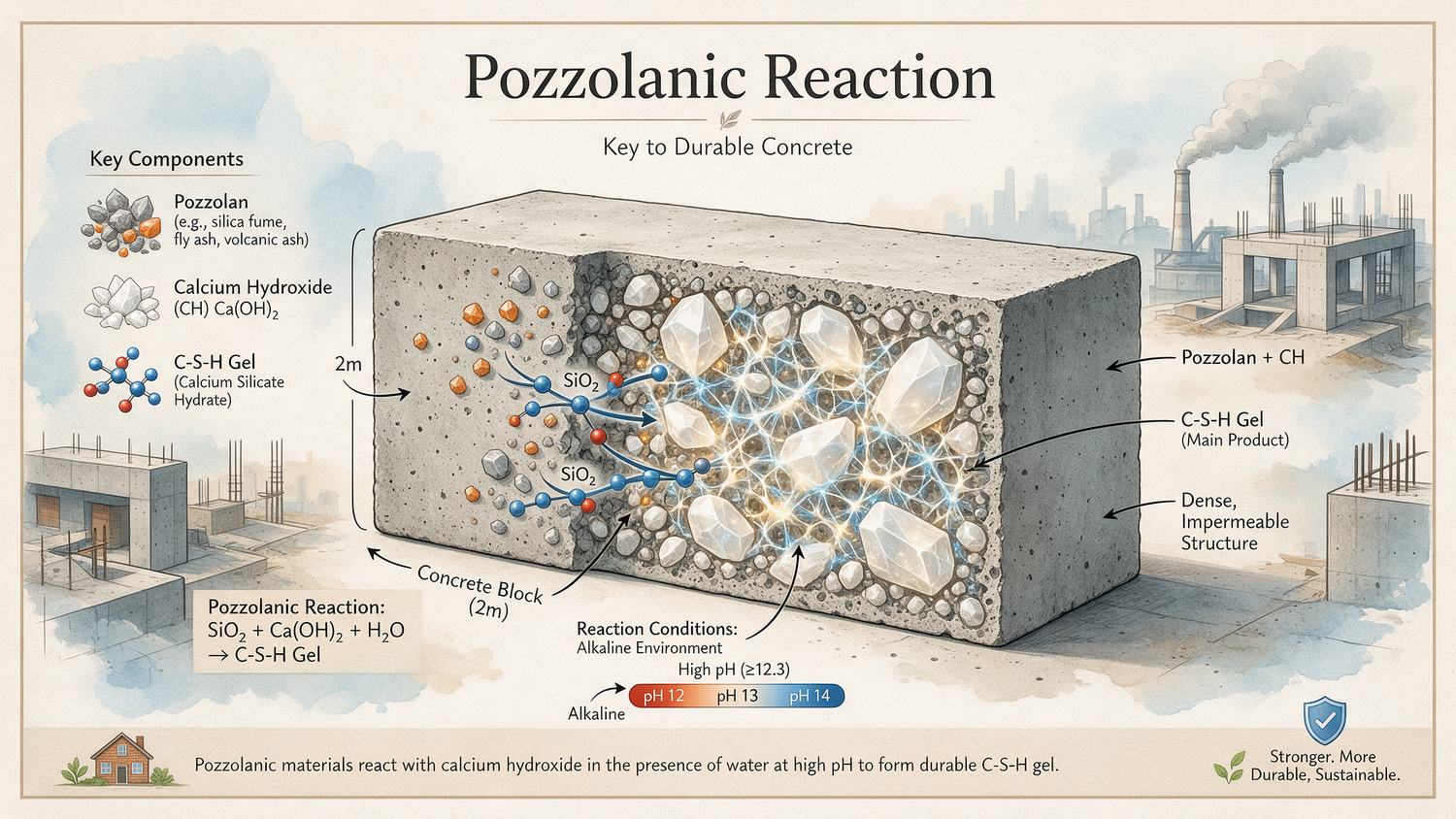
Pozzolanic reaction infographic
User-supplied conceptual infographic. It illustrates the reaction of pozzolanic silica with calcium hydroxide to form additional C-S-H-type binding phases.
WHERE HIGH REACTIVITY MATTERS MOST
Dosage ranges below are taken from the supplied HRM TDS and should be optimized in the actual binder system.
Glass Fiber Reinforced Concrete
Consumes free calcium hydroxide to protect AR glass fibers from embrittlement and supports high-quality thin-section composites.
White & Pigmented Concrete
Off-white HRM preserves clean color, suppresses efflorescence bloom and densifies the surface pore matrix.
Ultra-High Performance Concrete
Micro-filler action fills voids between cement grains while the reactive phase contributes to early performance.
Engineered Mortars & Grouts
The TDS positions HRM for rapid early flexural strength, reduced chloride permeability and improved chemical/sulfate resistance.
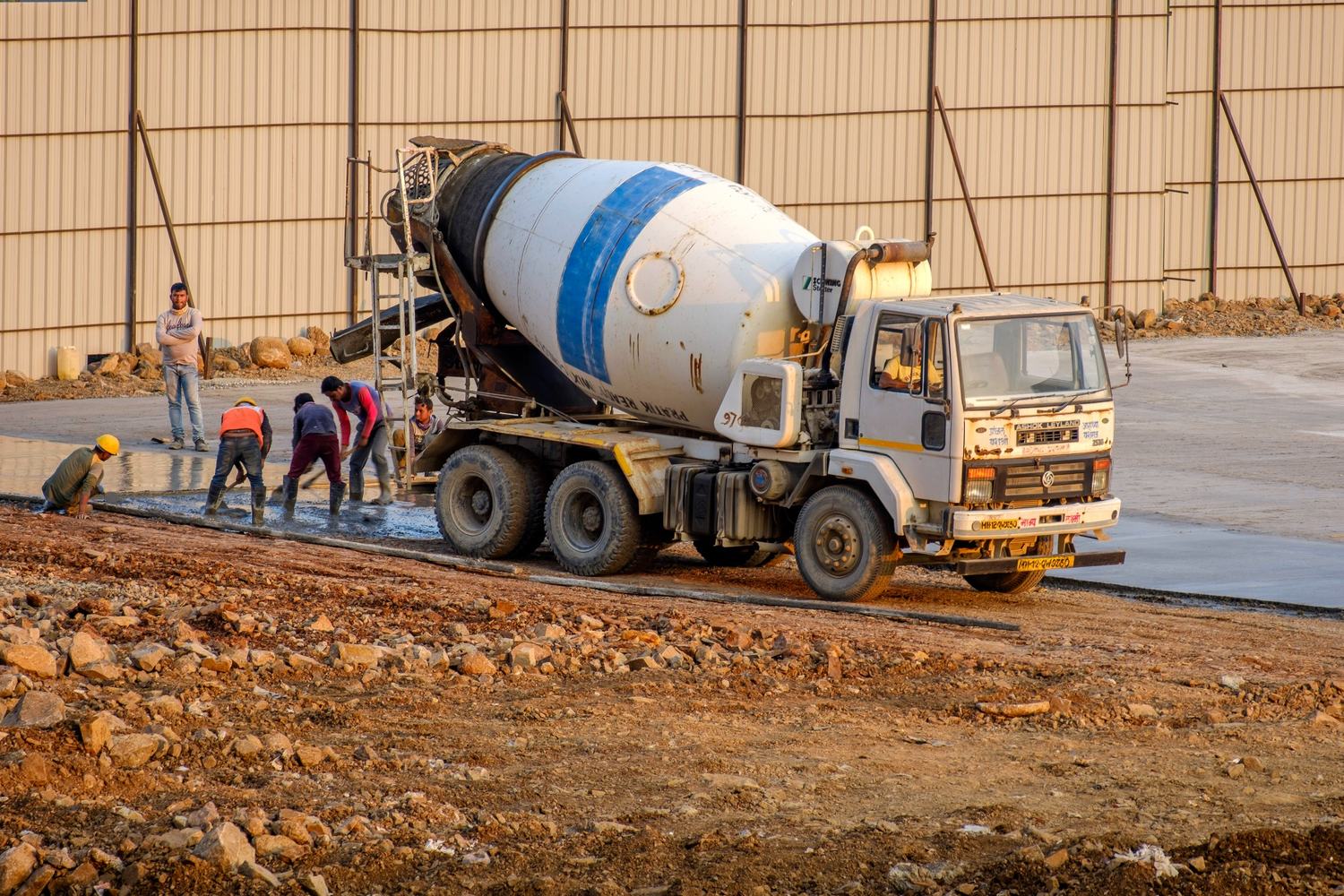
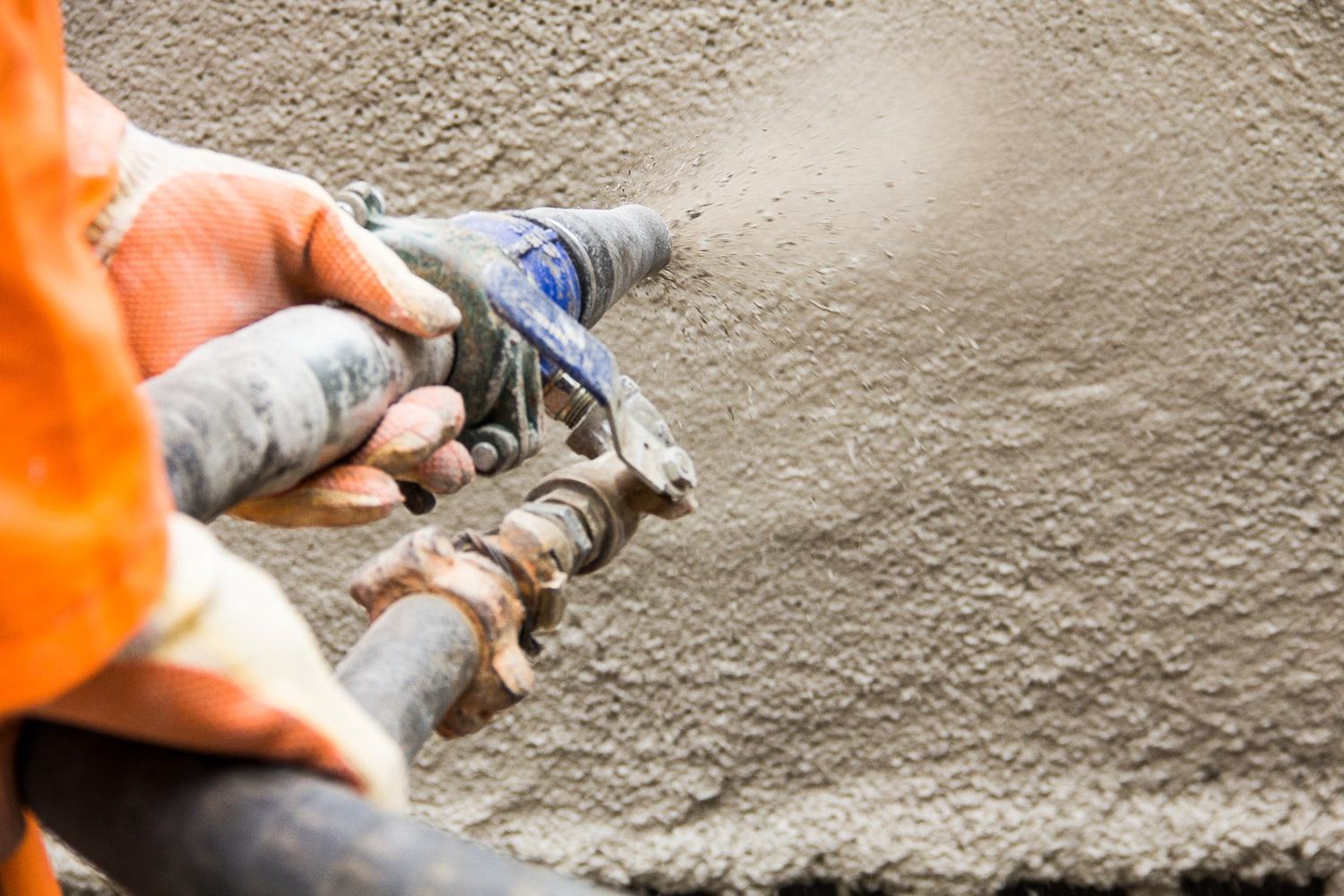
FROM READY-MIX TO PRECAST & INFRASTRUCTURE
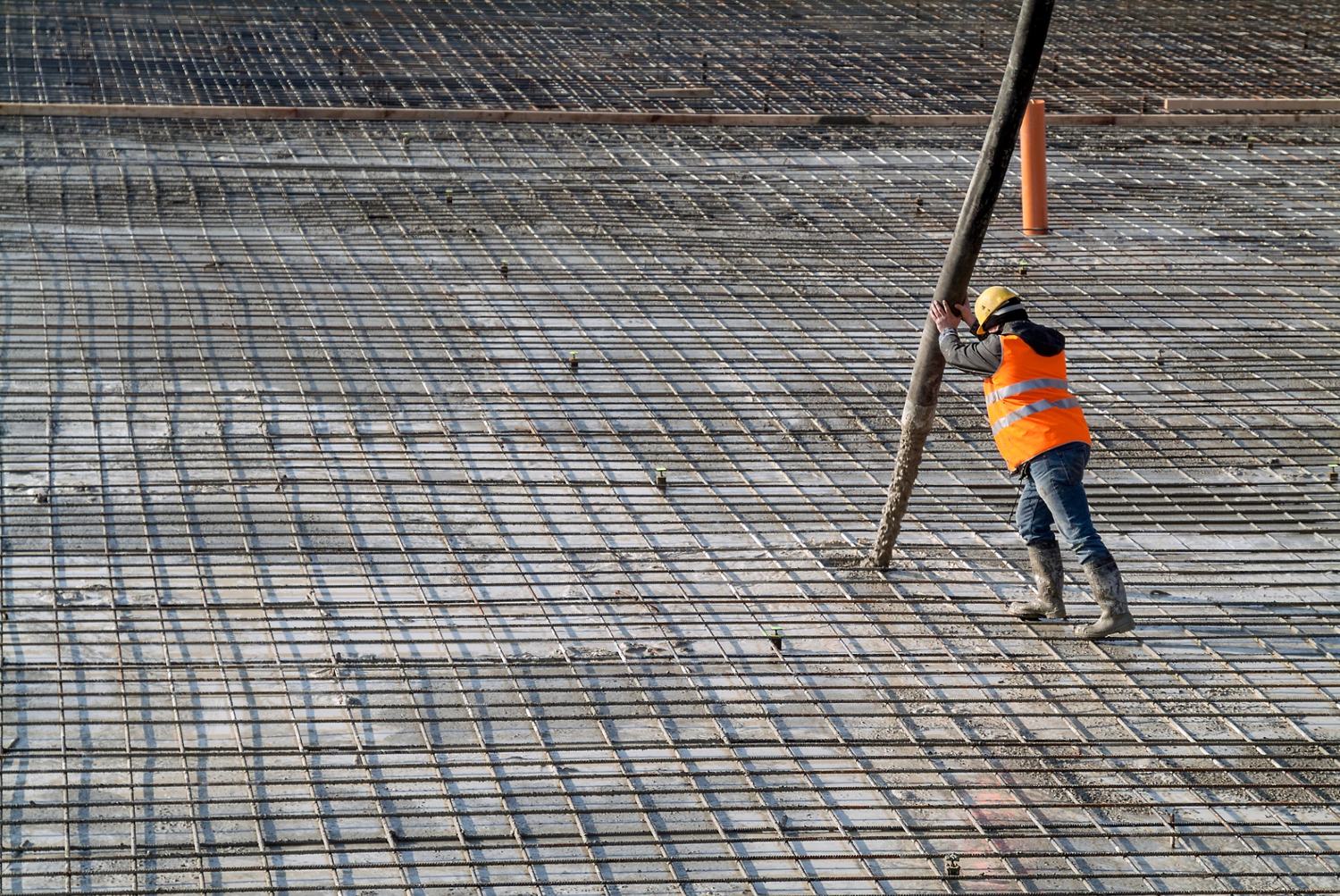
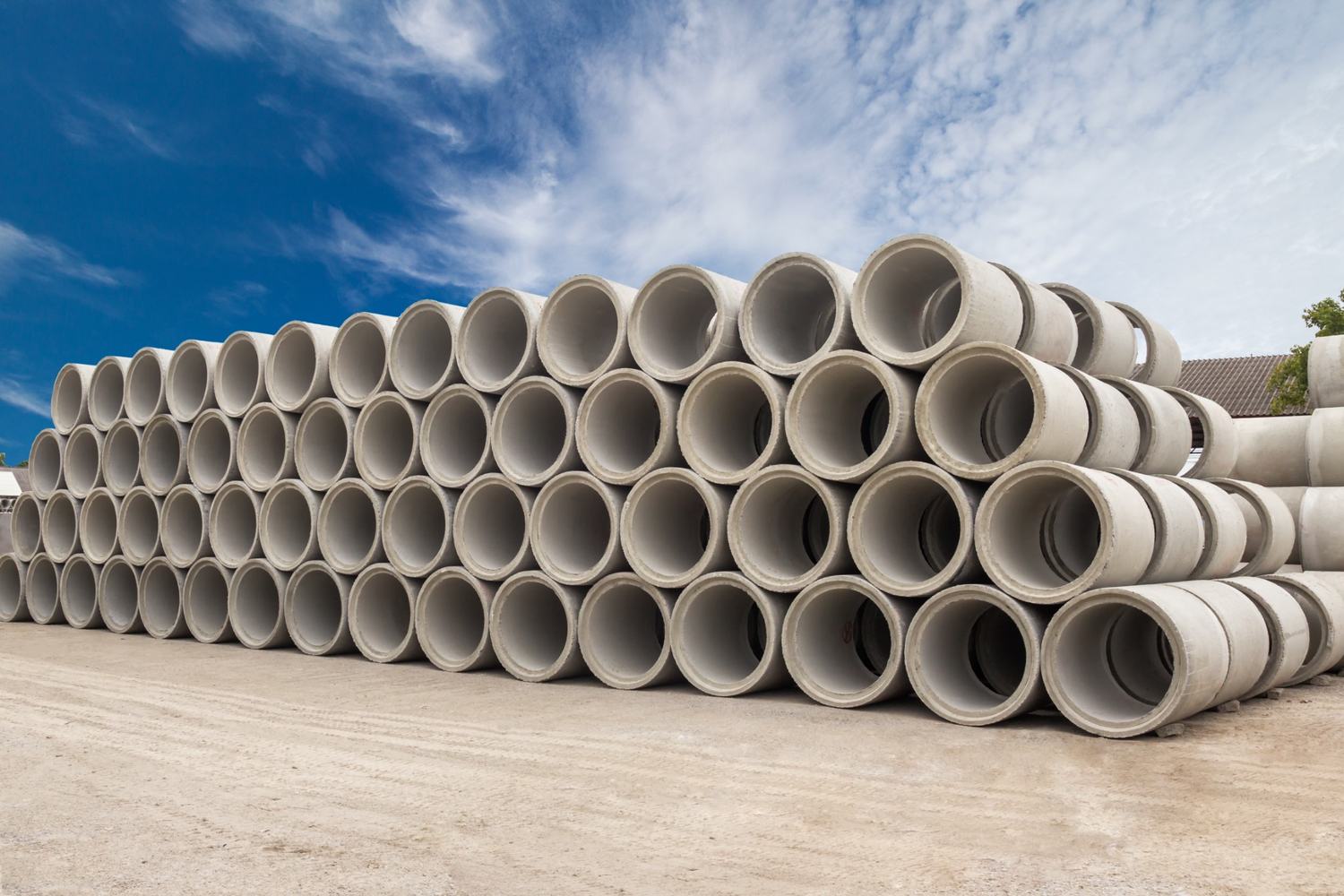
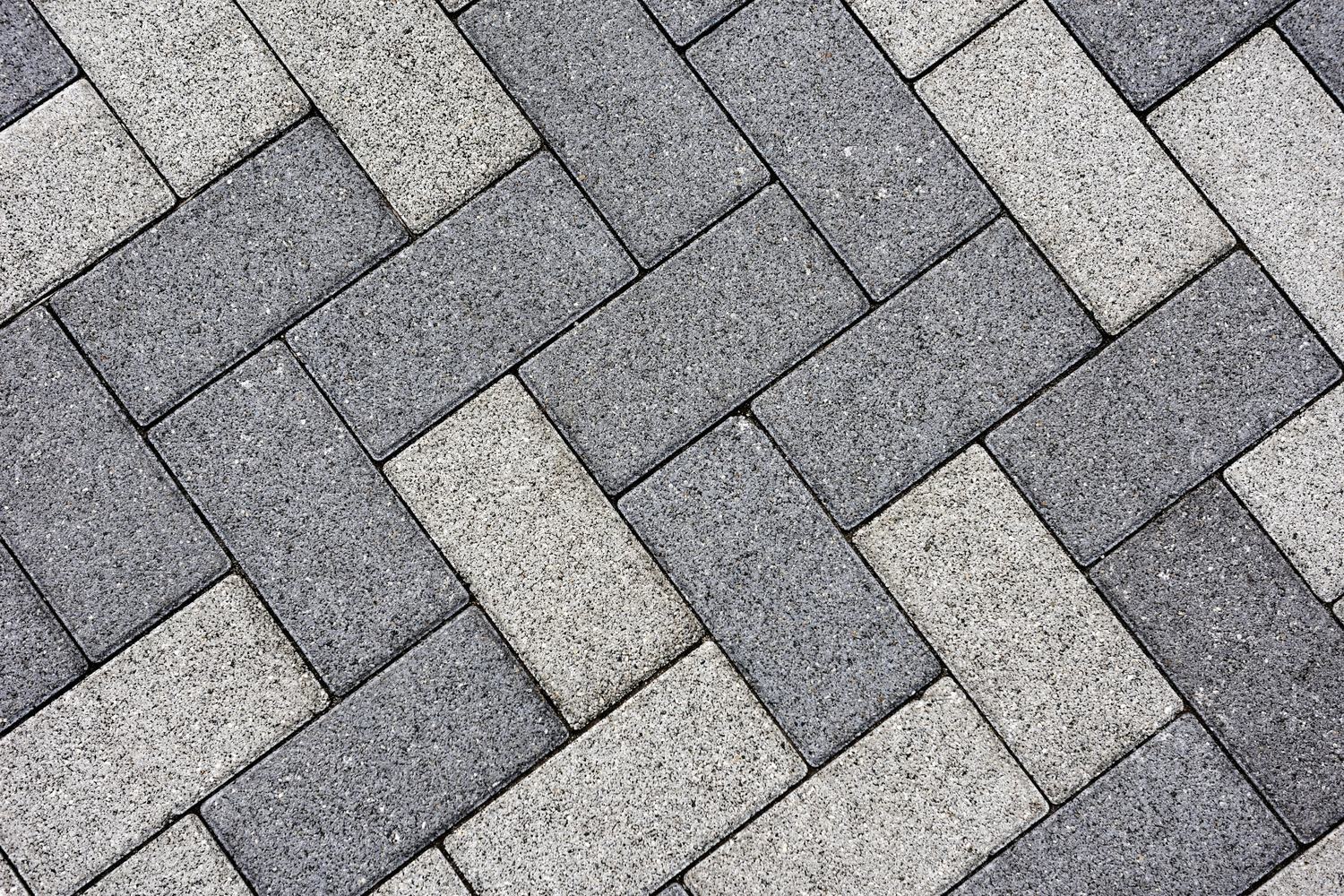
FULL
SPECIFICATION
Chemical, particle and reactivity values reproduced from the supplied HRM TDS.
Product identity: High Reactivity Metakaolin (HRM), formula Al₂O₃·2SiO₂, ASTM C618 Class N engineered aluminosilicate pozzolan.
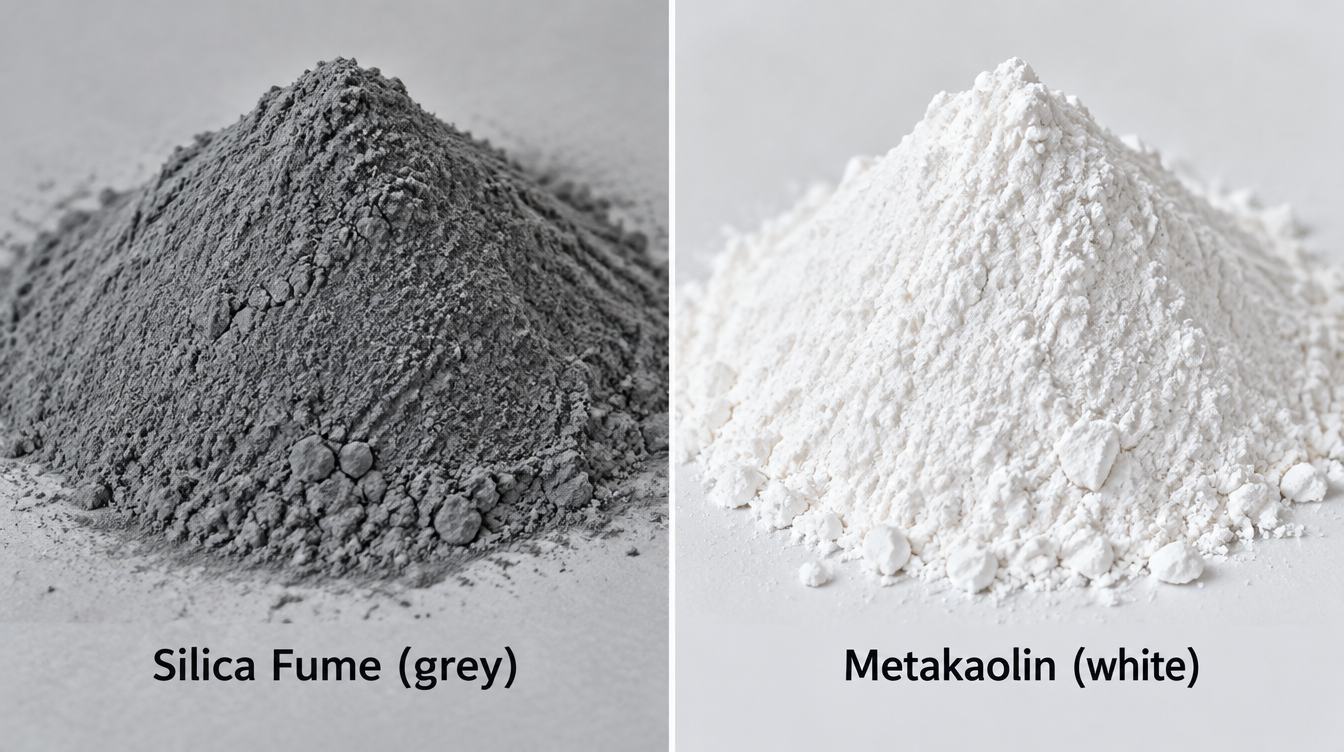
High Reactivity Metakaolin (HRM)
| Parameter | Guaranteed / Target Value | Test Standard |
|---|---|---|
| Product Identity | High Reactivity Metakaolin (HRM) | ASTM C618 Class N |
| Chemical Formula | Al₂O₃·2SiO₂ | Engineered aluminosilicate |
| Sum Active Oxides · SiO₂ + Al₂O₃ + Fe₂O₃ | ≥95.0% min | ASTM C114 / XRF |
| Silicon Dioxide · SiO₂ | 52.0–55.0% · Amorphous | ASTM C114 |
| Aluminum Oxide · Al₂O₃ | 40.0–44.0% · Reactive | ASTM C114 |
| Iron Oxide · Fe₂O₃ | ≤0.8% · Low iron | ASTM C114 |
| CaO + MgO | ≤0.5% · Non-hydraulic pozzolan | ASTM C114 |
| Loss on Ignition · 950°C | ≤1.0% max | ASTM C311 |
| Amorphous Phase Content | ≥92–95% | XRD Rietveld Analysis |
| Equivalent Alkalis | ≤0.40% max | ASTM C311 |
| Chloride / Sulfate | ≤0.02% / ≤0.15% | EN 196-2 / ASTM C114 |
| Appearance / Whiteness | Off-white powder · Hunter L ≥85 | Spectrophotometer |
| Specific Gravity | 2.55–2.62 g/cm³ | ASTM C188 / Gas Pycnometry |
| Bulk Density · Loose / Compacted | 340–420 / 600–720 kg/m³ | ISO 697 |
| Median Particle Diameter · d50 | 1.8–2.5 µm · Ultra-fine | Laser Diffraction · Malvern |
| Residue on 45 µm Sieve | ≤0.5% max | ASTM C430 |
| Specific Surface Area · BET N₂ | 13.0–18.0 m²/g | ASTM C1069 / BET |
| Pozzolanic Reactivity · Chapelle | ≥1050–1250 mg Ca(OH)₂/g | NF P 18-513 |
| Strength Activity Index · 7 & 28 d | ≥110–125% of Control | ASTM C311 / C618 |
FAST EARLY RESPONSE.
STRONG LATER-AGE POTENTIAL.
Qualitative trajectory based on the supplied TDS chart
The source shows the relative strength trajectory of 10% HRM, 10% silica fume, 50% GGBS and OPC control at 0.38 w/b ratio, but does not provide exact point-by-point numerical values. The graph below therefore preserves the relative ranking only.
Relative trajectory only — not plotted from undisclosed MPa data.
HRM · 10%
TDS: very high early strength / rapid acceleration.
Silica Fume · 10%
TDS: moderate to high early strength, with stronger contribution beginning around day 3.
GGBS · 50%
TDS: lower early strength due to slower hydraulic activation.
Control
Reference OPC trajectory in the supplied comparison chart.
METAKAOLIN VS. SILICA FUME VS. GGBS
| Parameter | Metakaolin · HRM | Silica Fume | Ground Slag · GGBS |
|---|---|---|---|
| Origin / Nature | Engineered calcined clay | Silicon smelting by-product | Blast furnace iron by-product |
| Reaction Chemistry | Pure pozzolan · Aluminosilicate | Pure pozzolan · Highly siliceous | Latent hydraulic + pozzolanic |
| Active Oxides | SiO₂ ~53% + Al₂O₃ ~42% | SiO₂ >85–95% | CaO 38% + SiO₂ 34% + Al₂O₃ |
| Color / Aesthetics | Off-white / bright cream | Dark grey to black | Off-white to light gray |
| Particle Size · d50 | 1.8–2.5 µm | 0.1–0.2 µm | 10–15 µm |
| Specific Surface | 13–18 m²/g · BET | 18–25 m²/g | 0.4–0.6 m²/g · Blaine |
| Dosage · Binder | 5–15% | 5–10% | 30–70% |
| Rheology / Workability | Creamy, shear-thinning texture | Sticky, high water demand | Improves slump, delays initial set |
| Early Strength · 1–3 d | Very High · rapid acceleration | Moderate to High | Low · slow hydraulic activation |
| Efflorescence Control | Superior · binds Ca(OH)₂ instantly | Good · pore refinement | Moderate · requires late cure |
Choose Metakaolin · HRM
For architectural precast, GFRC and white facades requiring high early strength, no dark discoloration, creamy trowelability and strong efflorescence control.
Choose Silica Fume
For extreme abrasion and high-strength UHPC where dark coloration is acceptable and higher superplasticizer demand is planned.
Choose Ground Slag · GGBS
For mass concrete, dams and foundations where bulk cement replacement and lower heat of hydration are primary objectives.
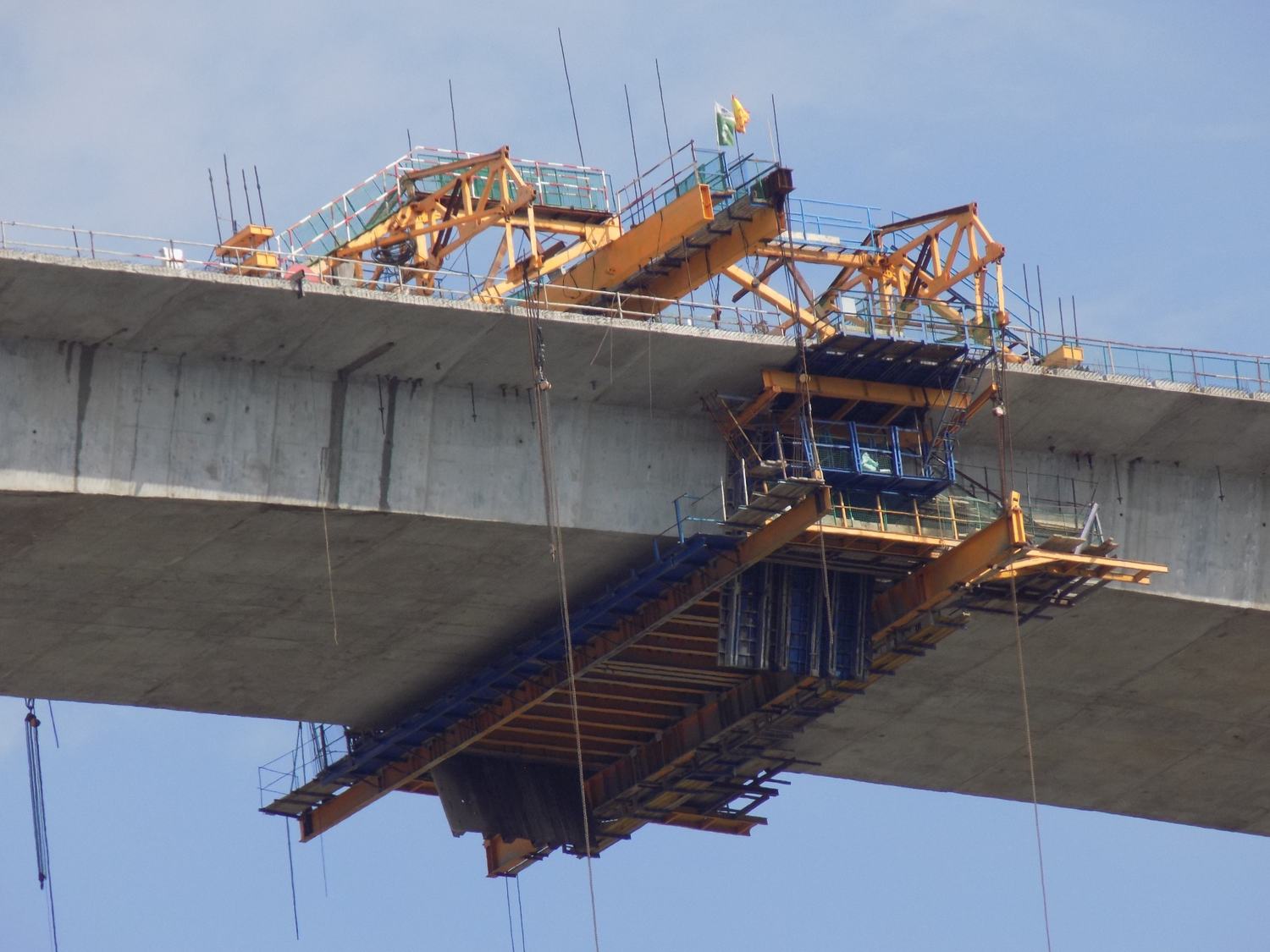
DURABILITY ACROSS INFRASTRUCTURE
FAQ
Practical questions for High Reactivity Metakaolin in concrete and mortar formulations.
Need Our Services?
Call: +91 97695 93030
Work Hours
Mon – Sat: 9:00 AM – 6:00 PM IST
Email Us
support@geoconproducts.com