
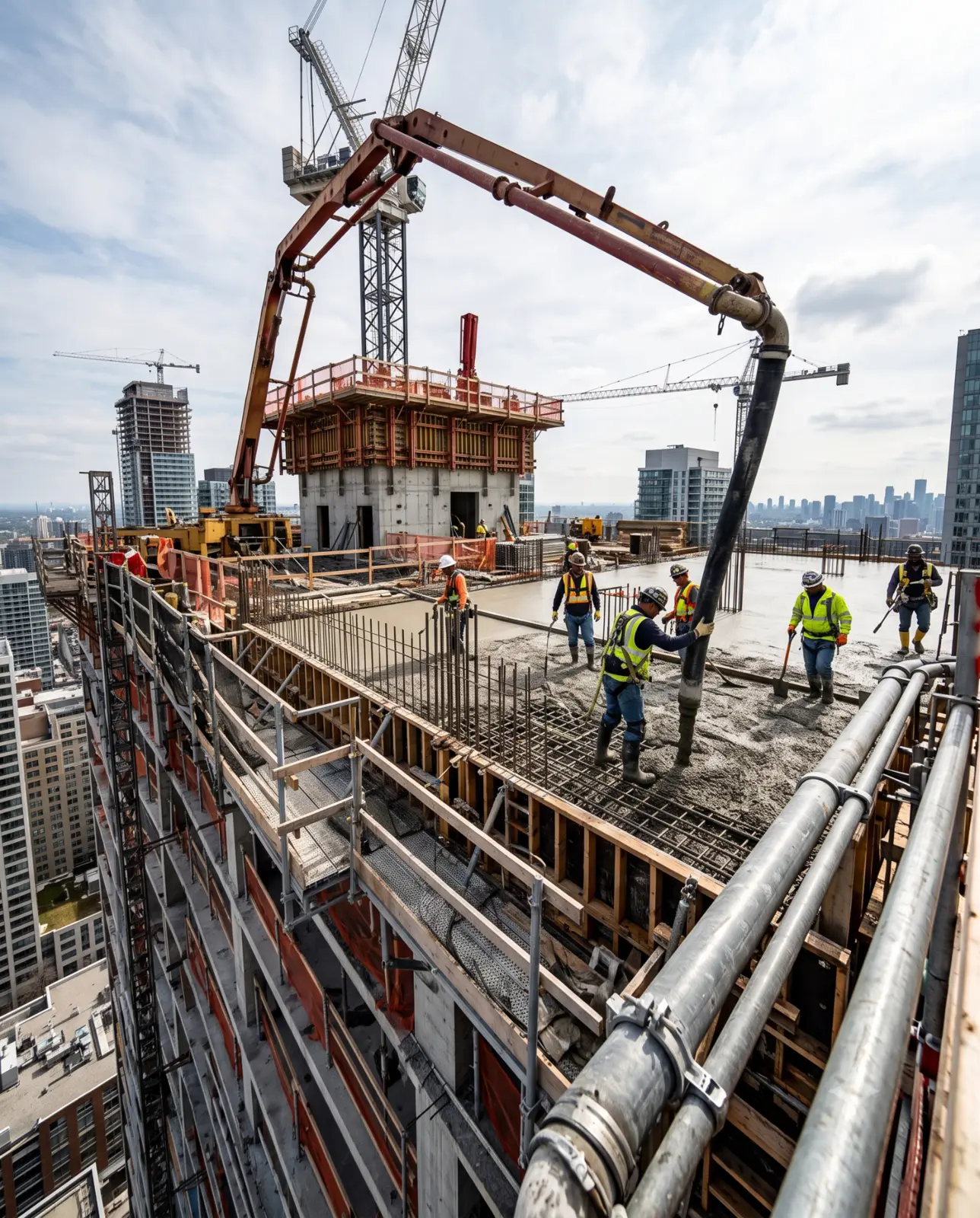
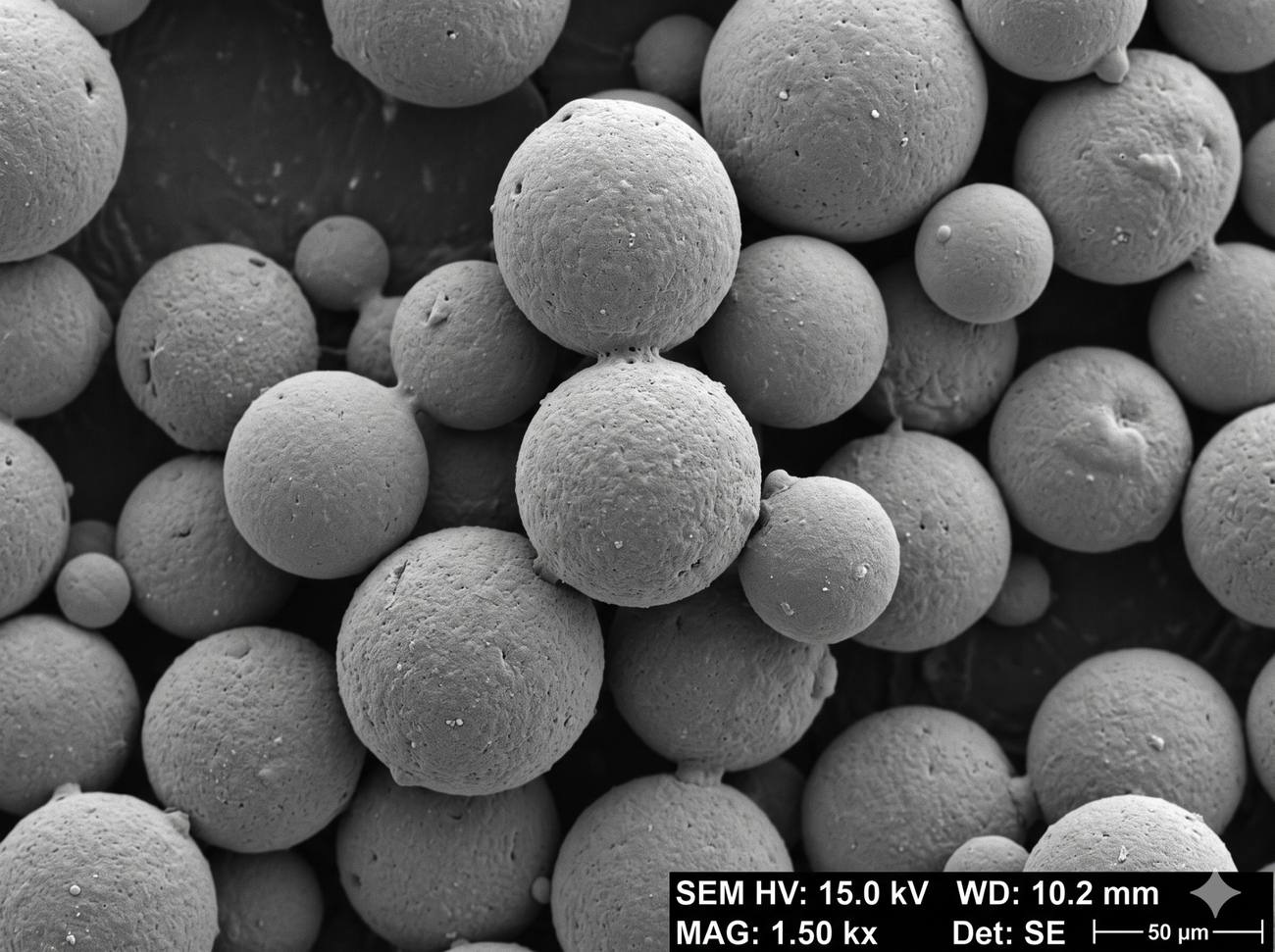
High-strength, thick-walled semi-hollow aluminosilicate ceramic spheres engineered for construction chemicals, industrial flooring, high-build grouts and protective mortars. Their spherical ball-bearing morphology supports high filler loading while controlling viscosity and improving abrasion resistance.
THE EMPTY INTERIOR IS THE
WEIGHT-REDUCTION ENGINE
Closed glass shells surround an empty interior. A stronger shell increases survivability, while a thinner/lower-density shell maximizes lightweighting.
SPHERICAL SHAPE CREATES A
BALL-BEARING EFFECT
The source TDS compares this morphology with angular quartz, rhombohedral calcium carbonate, acicular wollastonite and hollow glass bubbles.
WHY SPHERICAL CERAMIC FILLERS FLOW DIFFERENTLY
Lower particle friction
Rounded particles roll past one another instead of mechanically interlocking like angular quartz.
Higher loading potential
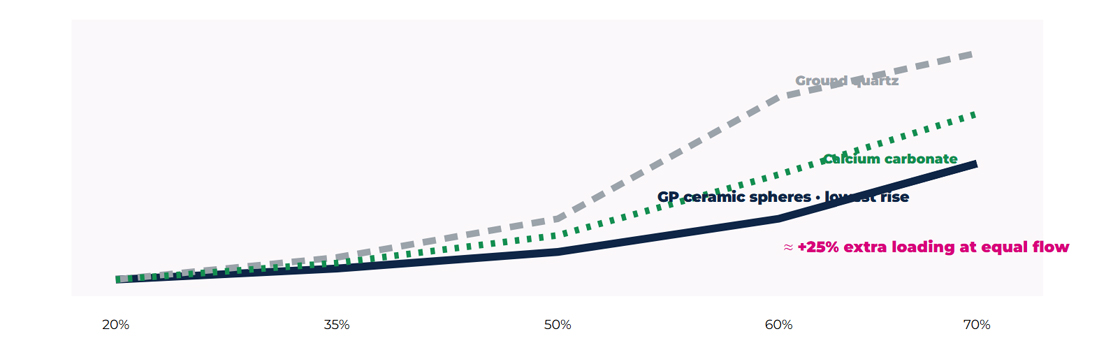
The source chart calls out approximately +25% extra loading at equal flow.
Abrasion resistance
Mohs 7.0 hardness supports industrial floors, grouts and coatings.
Pressure survivability
Isostatic crush strength exceeds 60,000 psi across the full GP range.
FOUR GP GRADES.
ONE SPHERICAL
PLATFORM.
The grades primarily differ in particle size, density, oil absorption and surface area.
GP 200
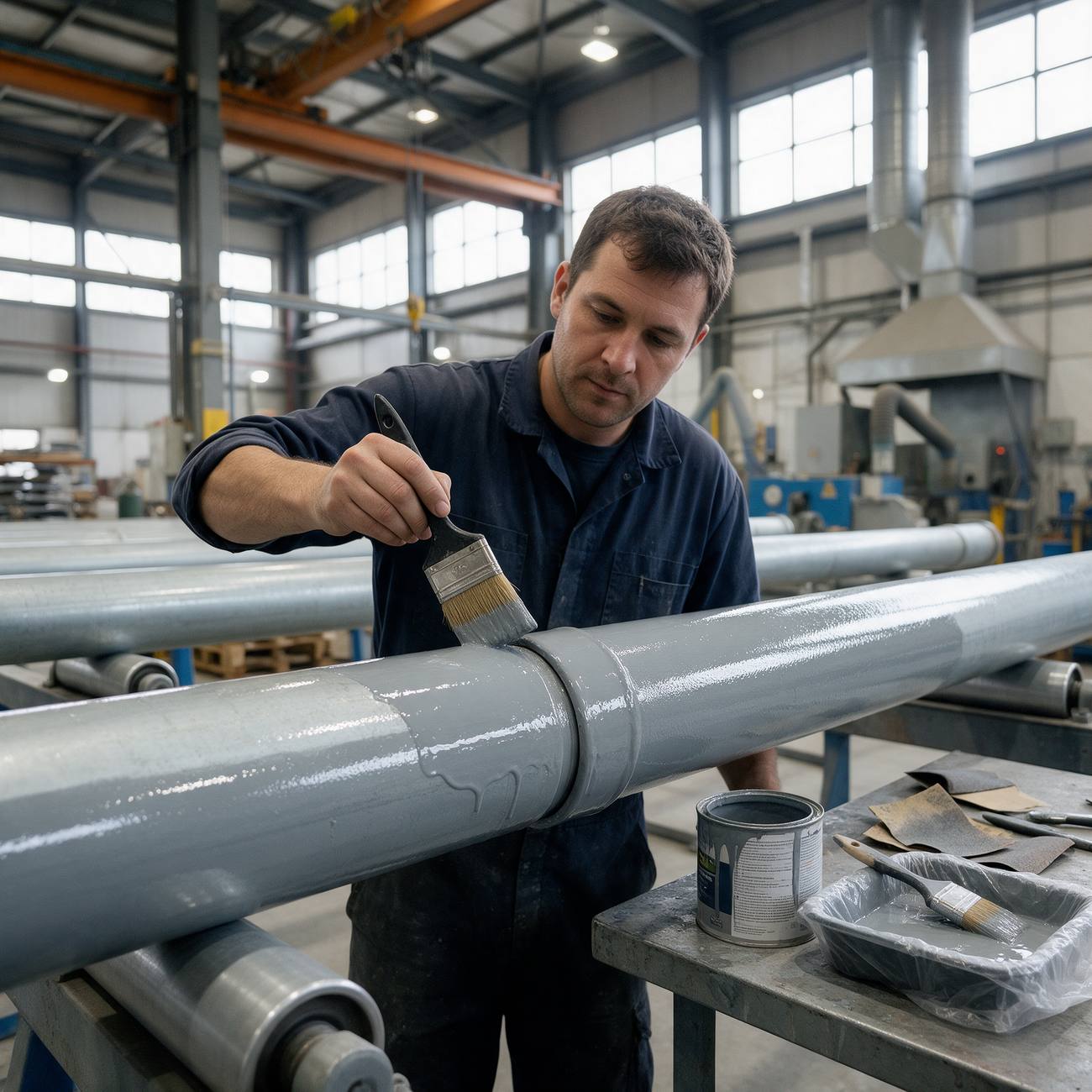
Scratch-resistant thin films, high-gloss PU/epoxy topcoats, coil coatings and fine crack injection.
- d50 4–5 µm
- Density 2.5 g/cc
- Oil absorption 26
- Hegman ≥6.5
GP 400
Industrial self-leveling epoxy flooring, containment linings and non-settling sealants.
- d50 7–8 µm
- Density 2.4 g/cc
- Oil absorption 26
- Hegman ≥6.0
GP 600
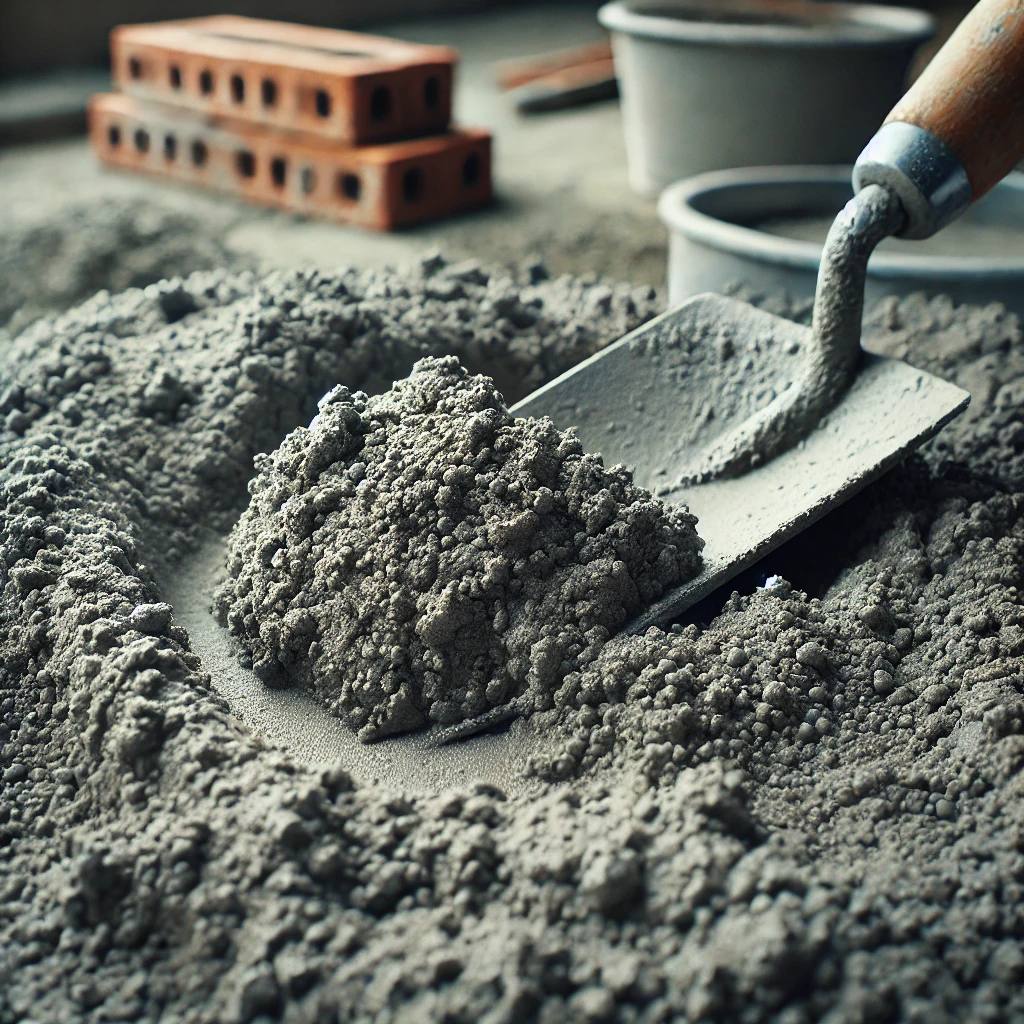
Non-shrink machinery grouts, tile adhesives, epoxy repair mortars and structural adhesives.
- d50 10–12 µm
- Density 2.3 g/cc
- Oil absorption 23
- Hegman 4.5–5.0
GP 800
Machine-base mortars, anti-skid deck toppings and high-pressure wet shotcrete.
- d50 14–18 µm
- Density 2.2 g/cc
- Oil absorption 18
- d90 ≤60 µm
FROM THIN FILMS TO HEAVY MORTARS
FULL TECHNICAL
DATA
Values below follow the supplied GP Series TDS.
Product identity: Silica–alumina ceramic, high-hardness, thick-walled semi-hollow spherical filler.
| Parameter | GP 200 | GP 400 | GP 600 | GP 800 |
|---|---|---|---|---|
| True Particle Density · g/cm³ | 2.5 | 2.4 | 2.3 | 2.2 |
| Typical Bulk Density · g/cm³ | 1.40–1.50 | 1.35–1.45 | 1.25–1.35 | 1.15–1.25 |
| Median Particle Size d50 | 4–5 µm | 7–8 µm | 10–12 µm | 14–18 µm |
| d90 | ≤12 µm | ≤18 µm | ≤25 µm | ≤60 µm |
| d95 | ≤14 µm | ≤23 µm | ≤35 µm | ≤95 µm |
| Hegman | ≥6.5 | ≥6.0 | 4.5–5.0 | N/A |
| Oil Absorption · g/100g | 26 | 26 | 23 | 18 |
| Surface Area per Vol. · m²/cm³ | 6.0 | 5.0 | 4.0 | 3.0 |
| Isostatic Crush Strength | >60,000 psi across all grades | |||
| Mohs Hardness / Color | 7.0 / Uniform grey powder · Hunter L 64–69 | |||
| Chemical Base | SiO₂ 55–65% + Al₂O₃ 28–36% | |||
| Fusion Temperature | ≥1,020°C | |||
| Respirable Free Silica | <0.1% | |||
SIZE, DENSITY & LOADING EFFICIENCY
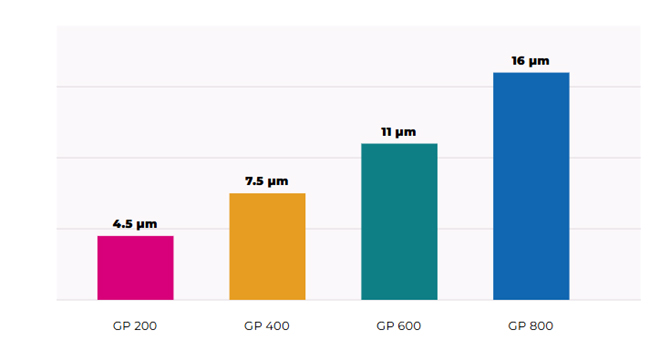
Median Particle Size by Grade
Mid-points of source d50 ranges.
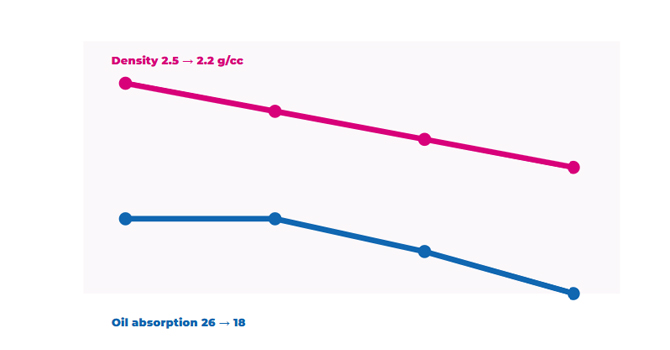
True Density / Oil Absorption Trend
Both trend downward toward the coarser grade.
Viscosity vs Filler Loading · Qualitative Source Trend
The original TDS chart has no numeric viscosity scale, so this redraw preserves relative behavior only. GP ceramic spheres remain lower in viscosity as filler loading rises, with the source calling out approximately +25% extra loading at equal flow.
GP CERAMIC VS TRADITIONAL FILLERS
| Property | Ceramic GP | Quartz Flour | GCC · CaCO₃ | Wollastonite | Glass Bubbles |
|---|---|---|---|---|---|
| Particle Shape | Thick-walled sphere | Angular / jagged | Rhombohedral | Acicular needle | Hollow sphere |
| Mohs Hardness | 7.0 | 7.0 | 3.0 | 4.5–5.0 | 5.5–6.0 |
| Specific Density | 2.2–2.5 | 2.65 | 2.70 | 2.90 | 0.15–0.46 |
| Crush Strength | >60,000 psi | High · solid | Moderate | Moderate · snaps | 300–16,000 psi |
| Viscosity at High Loading | Lowest · rolling | High · friction | Moderate | Very high | Low |
| Taber Abrasion | Superior | High | Poor | Moderate | Low · crushes |
| Chemical Resistance | Inert · pH 1–14 | Excellent | Decomposes in acid | Moderate | Good |
| Respirable Free Silica | <0.1% | >95% | Nil | Nil | Nil |
SPECIFY BY PROCESS & FINISH
Thin Films
High-gloss topcoats, coil coatings and fine crack injection.
Industrial Floors
Self-leveling flooring, chemical containment and non-settling systems.
Structural Grouts
Non-shrink grouts, repair mortars and structural adhesives.
Shotcrete & Heavy Mortars
Baseplate mortars, anti-skid toppings and pressure-intensive shotcrete.
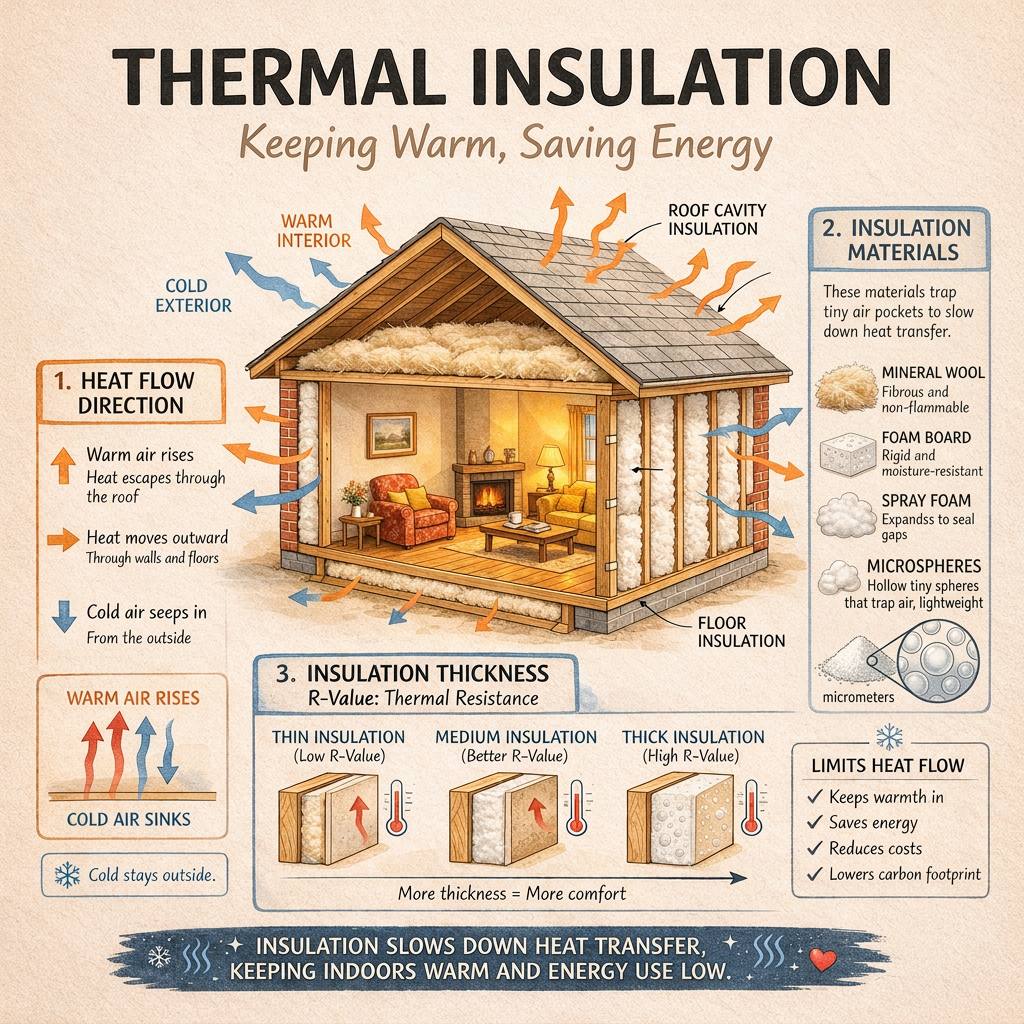
MICROSPHERES IN INSULATION SYSTEMS
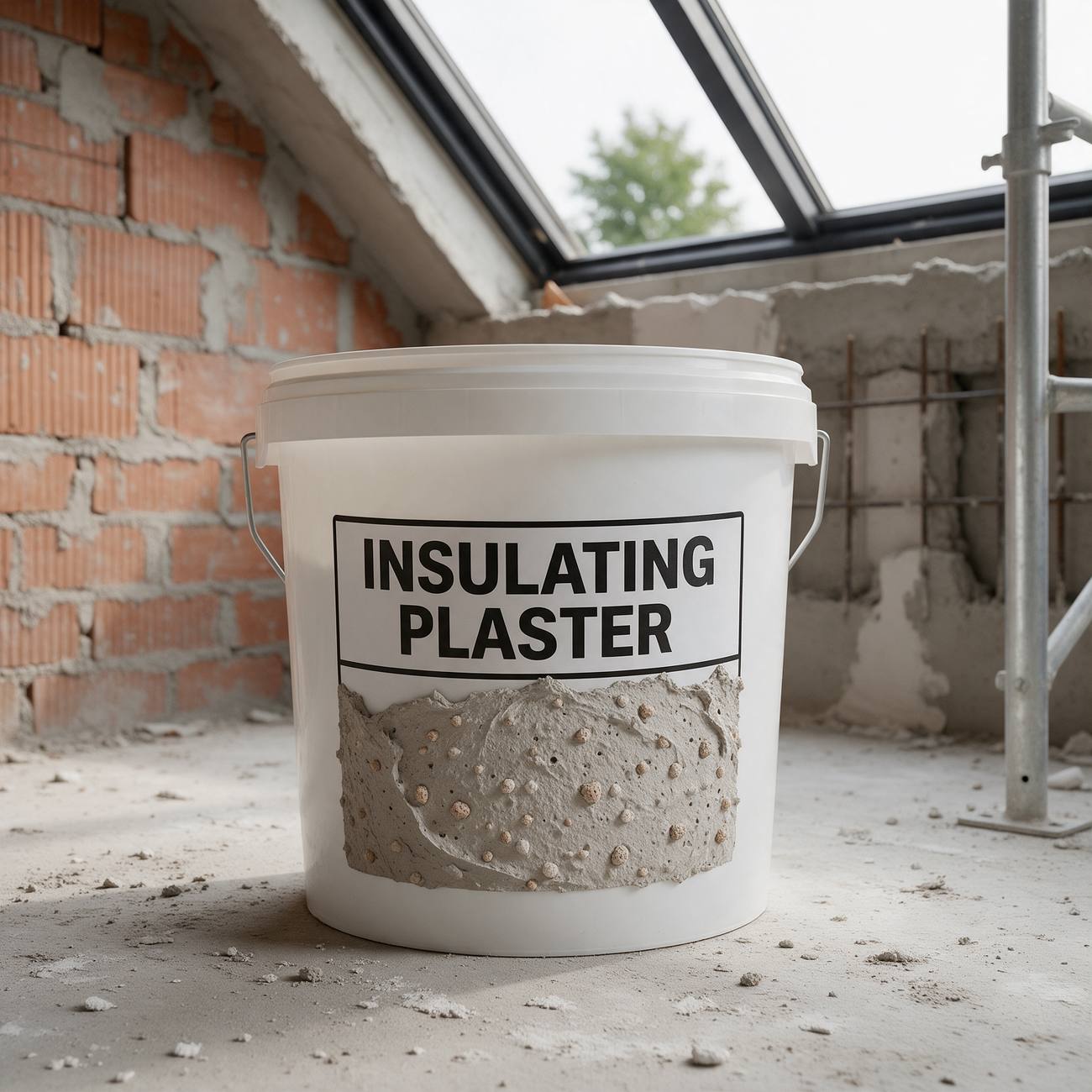
The supplied infographic illustrates the general insulation principle of microscopic air pockets slowing heat transfer. For the GP Series itself, the source TDS focuses primarily on hardness, loading efficiency, crush strength, abrasion and chemical resistance and does not provide a thermal-conductivity specification.
FAQ
Practical information from the supplied GP Series TDS and mineral comparison.
Need Our Services?
Call: +91 97695 93030
Work Hours
Mon – Sat: 9:00 AM – 6:00 PM IST
Email Us
support@geoconproducts.com