
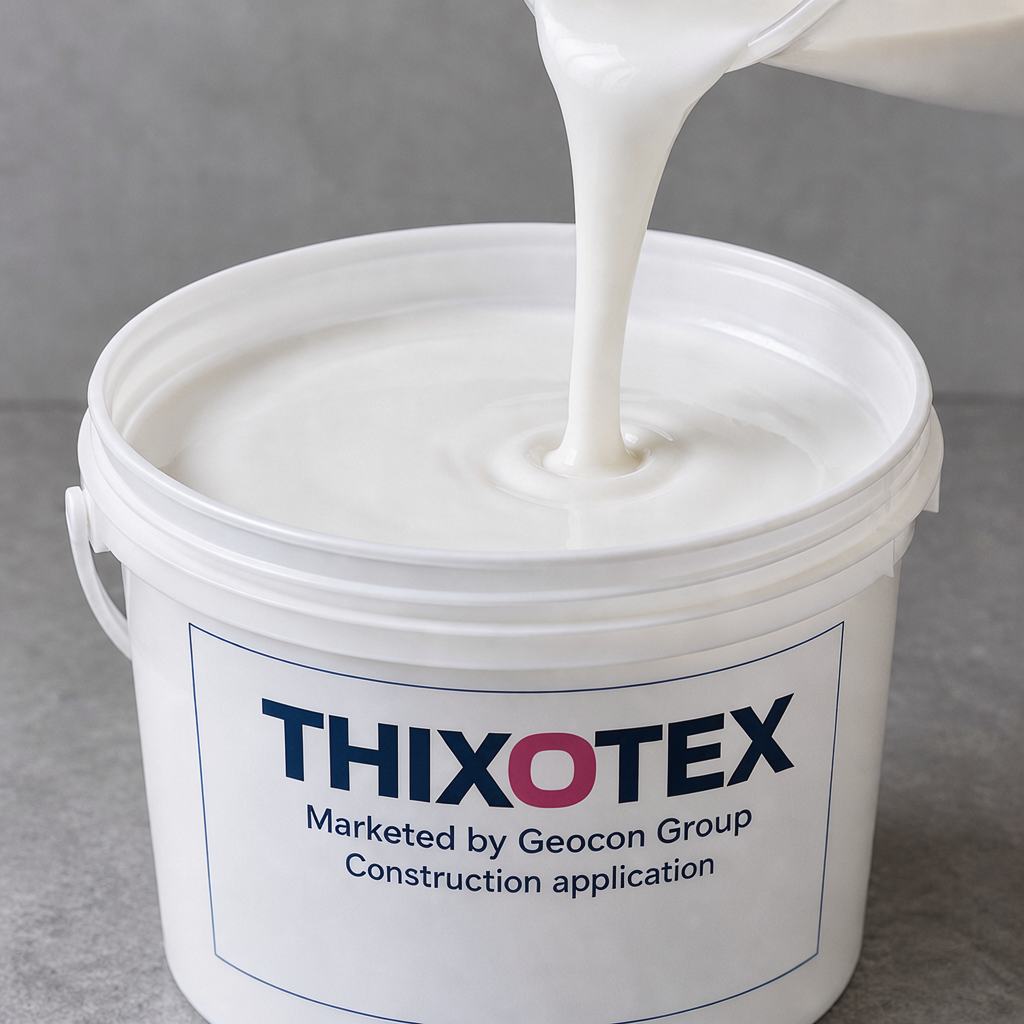
High-performance aqueous carboxylated styrene-butadiene rubber emulsion used as an integral bonding modifier, waterproofing agent and plasticizer in cementitious mortars, concrete repair systems, adhesion slurries, screeds and thin overlays.
BUILD THE BOND.
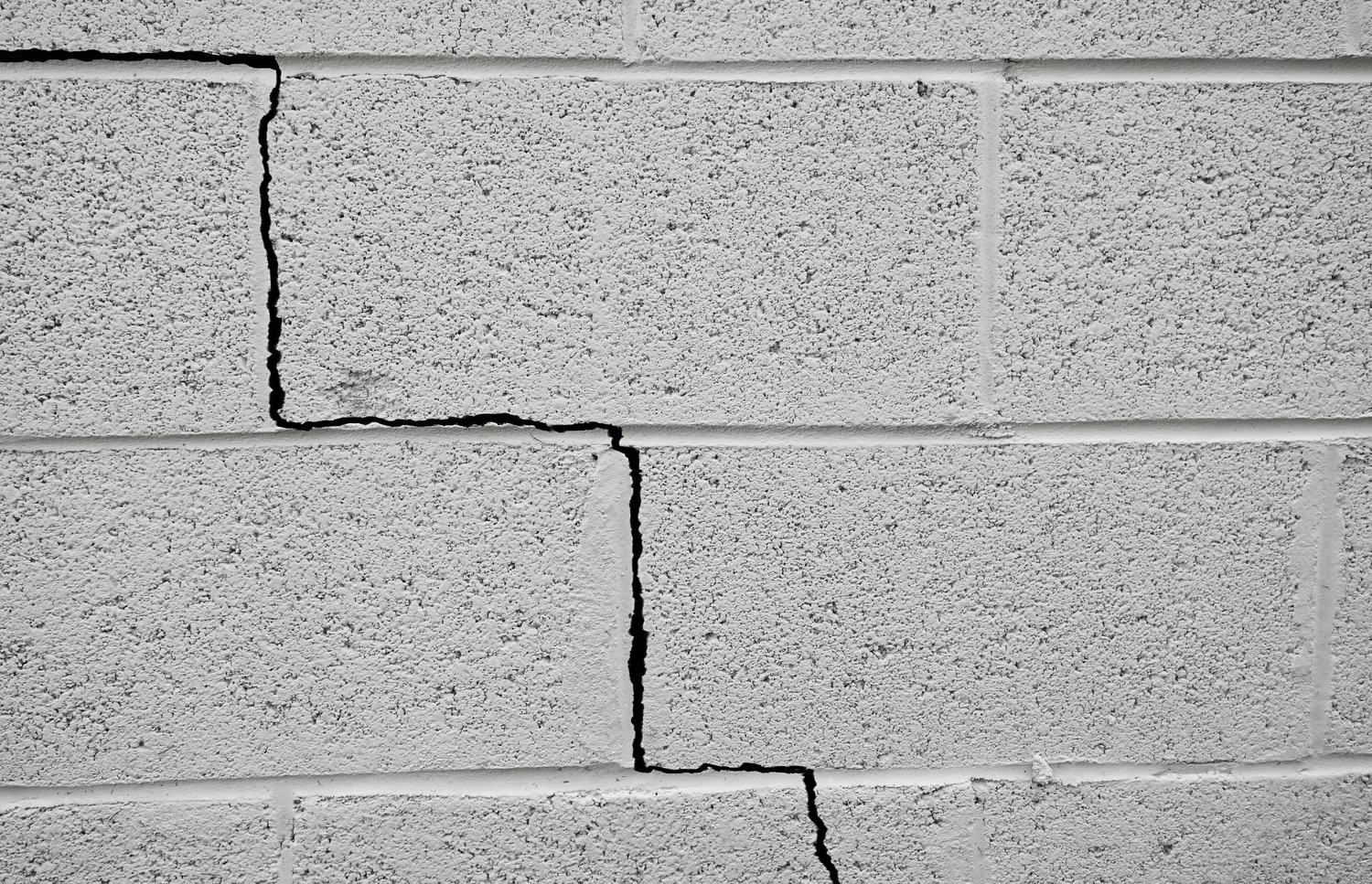
BRIDGE THE CRACK
SBR latex modifies the cement matrix rather than simply coating it. During hydration, microscopic polymer particles pack into capillary spaces and coalesce into an elastic film that interpenetrates the rigid cement-hydrate structure.
The resulting polymer–cement co-matrix is designed to improve adhesion, flexural performance, water resistance, durability and crack tolerance in properly formulated systems.
LIQUID POLYMER MODIFIER FOR CEMENTITIOUS SYSTEMS
Milky-white, free-flowing, water-based carboxylated styrene-butadiene copolymer emulsion for construction systems requiring stronger bond, flexibility and lower water ingress.
Bond modification
For bonding slurries, repair mortars and overlays.
Flexible film
Low-Tg polymer phase improves ductility.
Water resistance
Reduces capillary ingress in the referenced systems.
Chloride-free
Specified chloride ion below 0.01%.
FROM LATEX PARTICLES
TO AN ELASTIC CO-
MATRIX
The TDS describes polymer-film coalescence as capillary water is consumed during cement hydration, allowing SBR particles to pack and form a continuous flexible phase.
HOW THE MATRIX DEVELOPS
01 · Disperse
SBR particles distribute throughout the fresh cement paste.
02 · Hydrate
As free water decreases, polymer particles move closer together.
03 · Coalesce
Particles form an elastic continuous polymer film.
04 · Interpenetrate
The polymer film interacts with the C-S-H skeleton and substrate interface.
SBR LATEX
150–220 nm
HYDRATION
water decreases
POLYMER FILM
elastic co-matrix
Conceptual mechanism. Actual microstructure depends on polymer/cement ratio, curing, cement chemistry and water content.
FOUR CORE CONSTRUCTION USES
Ratios below follow the supplied SBR Latex TDS and should be optimized in the actual cement, aggregate and substrate system.
Cold Joint / Bond Bridge
Brush onto pre-wetted sound concrete and place overlay mortar wet-on-wet before the slurry skins.
Structural Patch & Repair
Supports lower water demand, better adhesion and flexural performance.
Flexible Cement Slurry
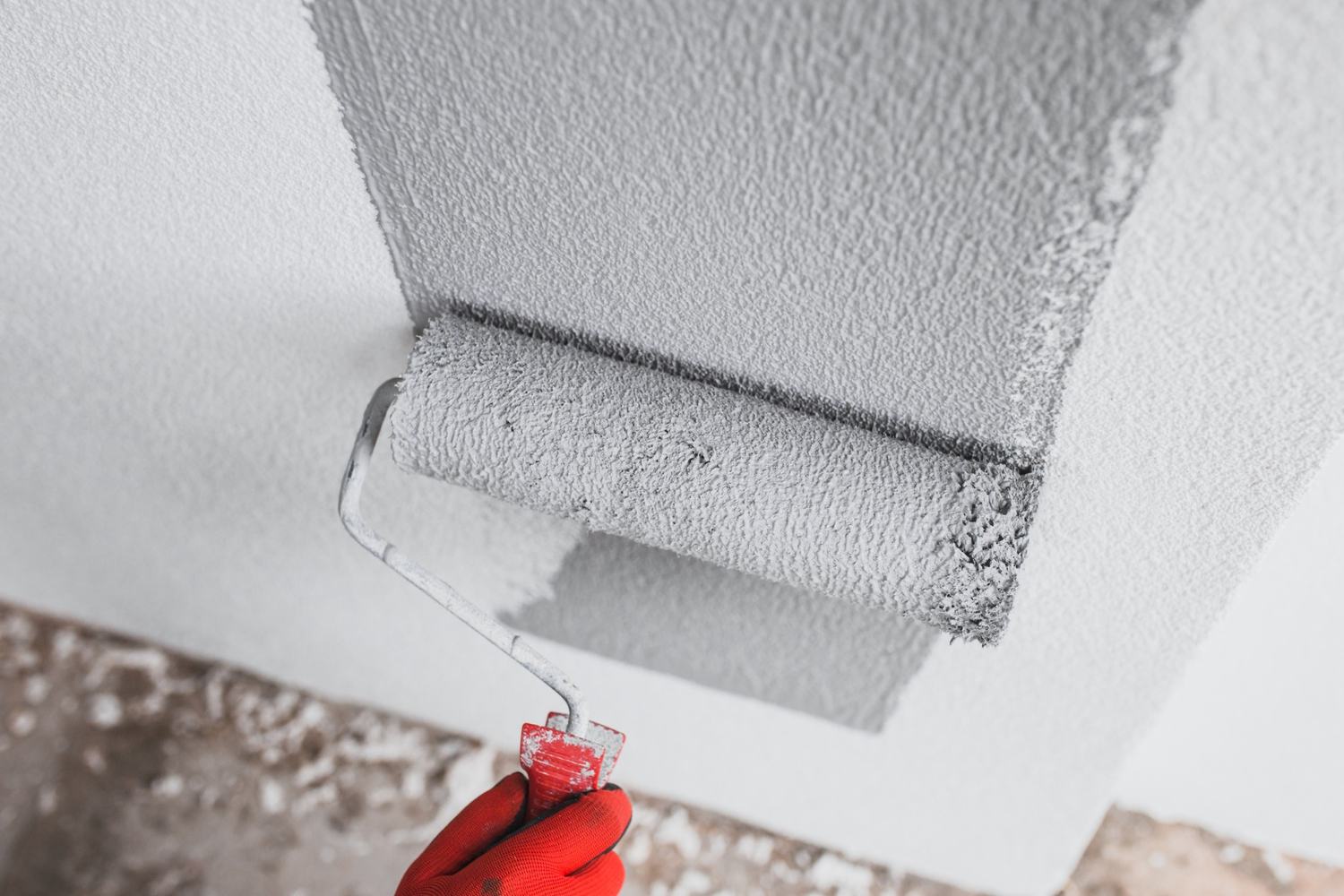
Two-coat slurry systems for terraces, tanks, basements and retaining walls.
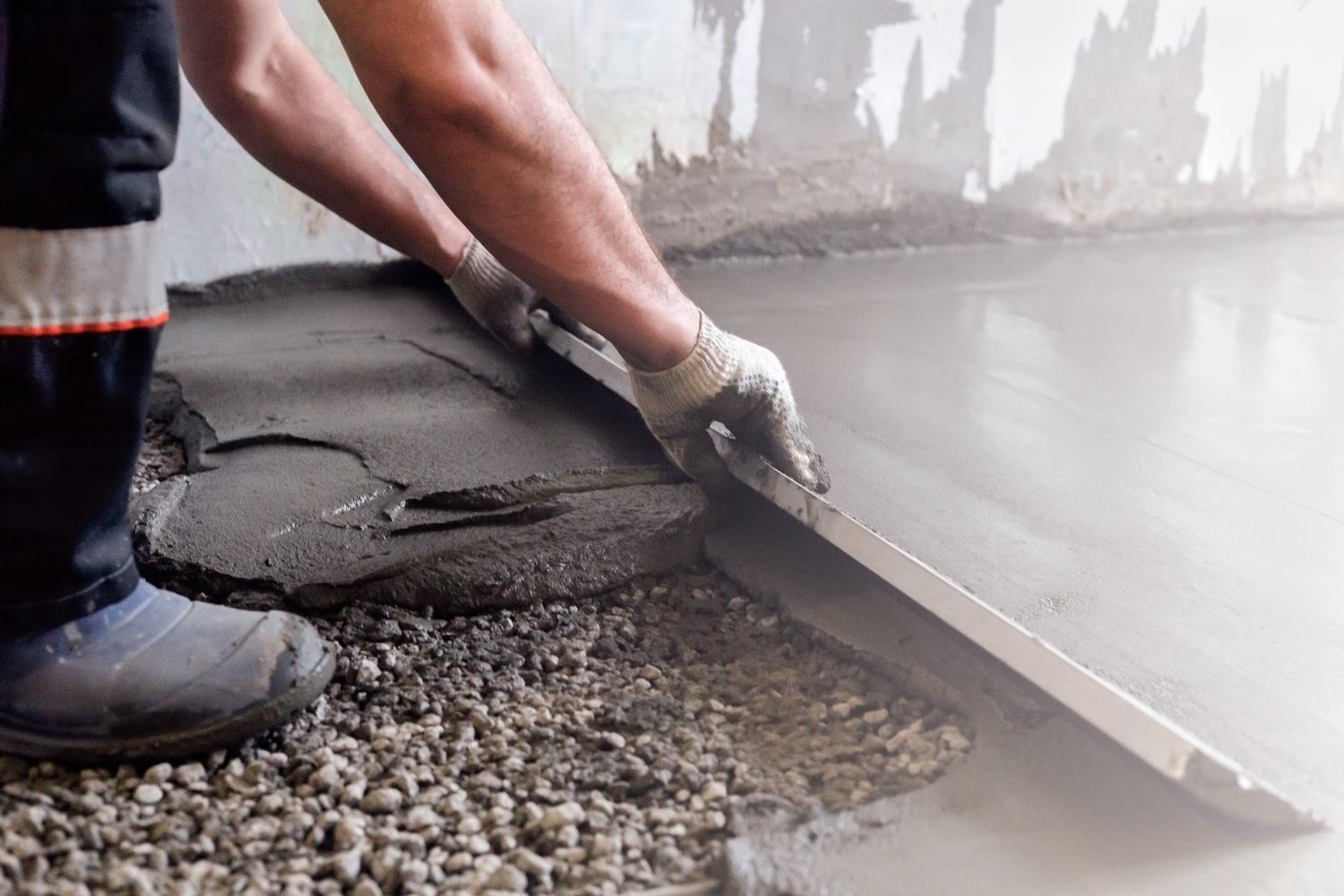
10–25 mm Floor Systems
Supports impact resistance, abrasion protection, dust suppression and durability.
BOND. REPAIR. WATERPROOF. OVERLAY.
FULL
SPECIFICATION
Liquid-emulsion specifications from the supplied SBR Latex technical data sheet.
Batch control: The agreed sales specification and batch COA should govern final product acceptance.
| Parameter | Guaranteed Specification | Test Standard |
|---|---|---|
| Chemical Nature | Carboxylated Styrene-Butadiene Copolymer | Raw material declaration |
| Appearance | Milky white, free-flowing liquid | Visual examination |
| Solid Content | 45.0% ±1.0% · range 40–50% | ISO 3251 / ASTM D1417 |
| pH · 25°C | 9.0–10.5 | ISO 976 / ASTM E70 |
| Viscosity · Brookfield #2 @60 rpm | 20–150 mPa·s · cP | ISO 2555 / ASTM D2196 |
| Specific Gravity · 20°C | 1.01–1.04 g/cm³ | ISO 2811 / Pycnometer |
| MFFT | +3°C to +8°C | ISO 2115 / ASTM D2354 |
| Glass Transition · Tg | -5°C to +5°C · flexible grade | DSC · ASTM E1356 |
| Particle Size | 0.15–0.22 µm | Laser diffraction |
| Stabilizing Emulsifier | Anionic / Non-ionic surfactant matrix | Formulation standard |
| Residual Monomers | <500 ppm total · <0.05% | Headspace GC |
| Freezing Point | ≈0°C · water base; keep frost-free | Physical observation |
| Chloride Ion | <0.01% | EN 480-10 |
STRONGER BOND. MORE FLEX. LOWER WATER INGRESS.
Comparative reference performance
Values below reproduce the reference metrics in the supplied TDS for modified vs. plain mortar.
Grey = unmodified · magenta/green = SBR modified · visual lengths normalized
Compressive strength · 28 d
Plain: 32–36 MPa · SBR modified: 40–48 MPa
Flexural strength · 28 d
Plain: 4.5–5.5 MPa · SBR modified: 9.0–12.0 MPa
Adhesion to concrete
Plain: 0.8–1.1 MPa · SBR modified: 2.5–3.5 MPa
Capillary absorption
Plain: 6.5–8.0% · SBR modified: <1.5–2.0%
Freeze–thaw
TDS reference: >300 cycles without scaling
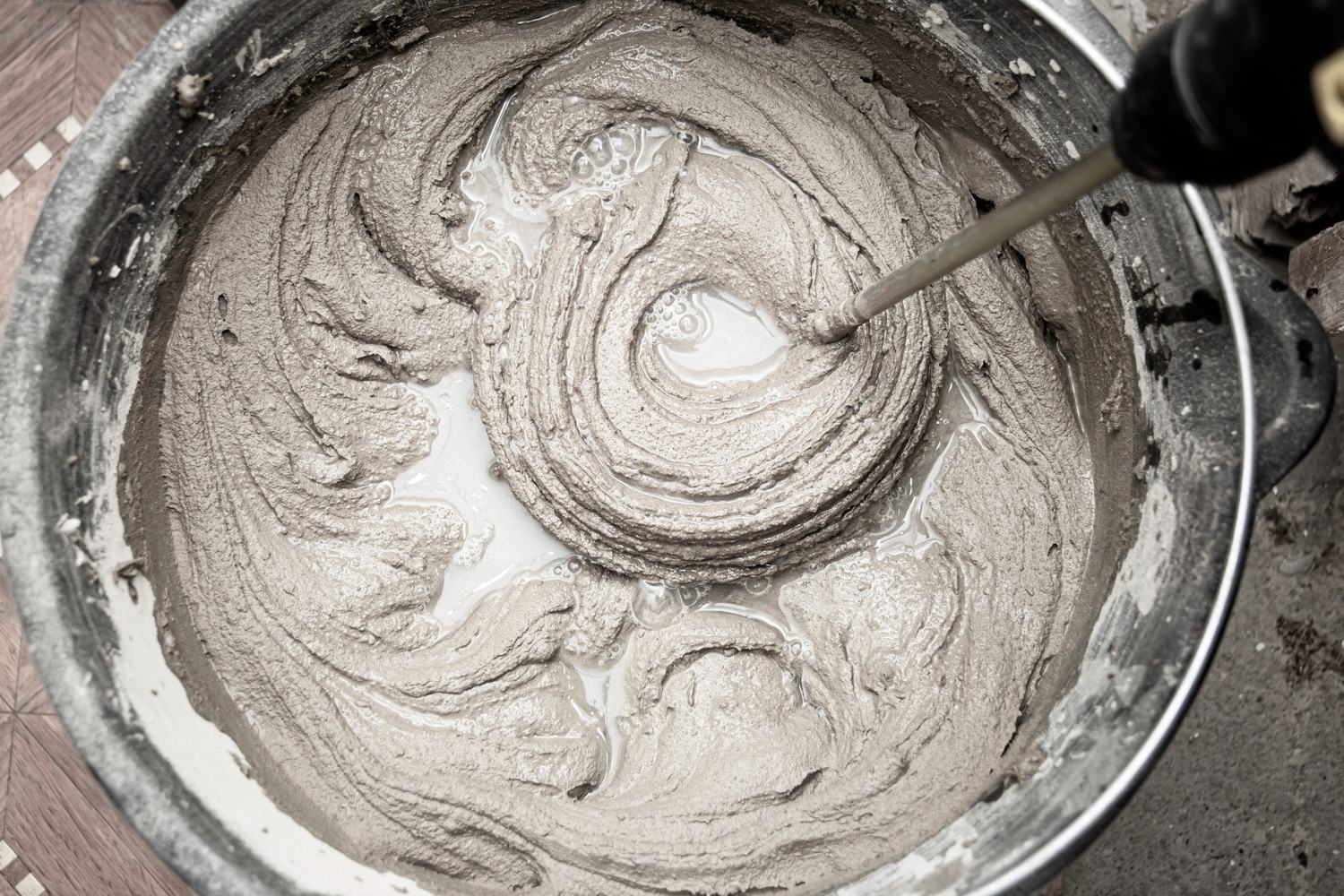
CONTROL AIR. BUILD A UNIFORM POLYMER–CEMENT MATRIX.
The supplied TDS recommends low-speed mechanical mixing to avoid excessive air entrainment.
300–400 rpm
Recommended low-speed mechanical mixing.
3 minutes
Reference mixing time from the supplied TDS.
Air below 6–8%
Monitor total mortar air content.
Wet-on-wet bonding
Place repair/overlay mortar before the bonding slurry skins.
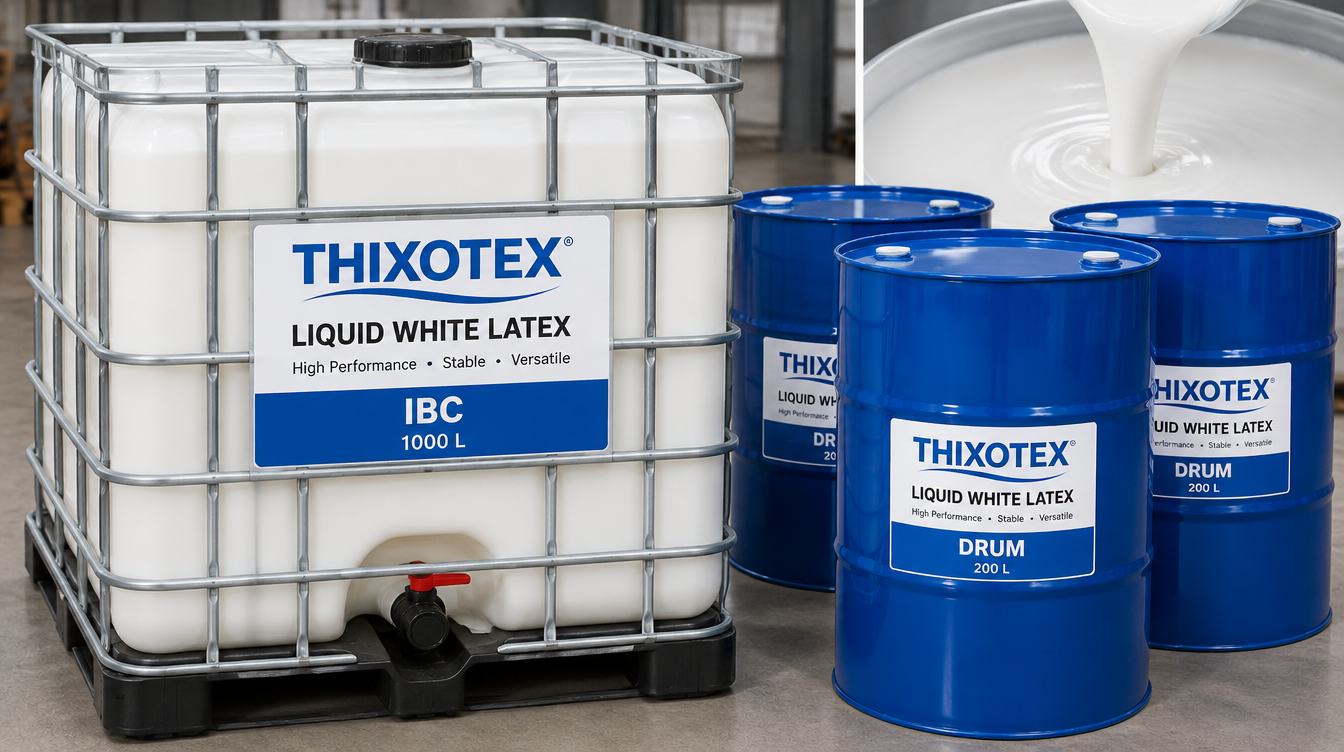
FROM PAIL TO IBC.
The supplied TDS specifies three industrial pack sizes.
20 kg
HDPE pail
200 kg
Drum
1000 kg
IBC container
FAQ
Practical SBR latex formulation questions covering bonding, repair mortars, waterproofing, mixing and storage.
Need Our Services?
Call: +91 97695 93030
Work Hours
Mon – Sat: 9:00 AM – 6:00 PM IST
Email Us
support@geoconproducts.com