
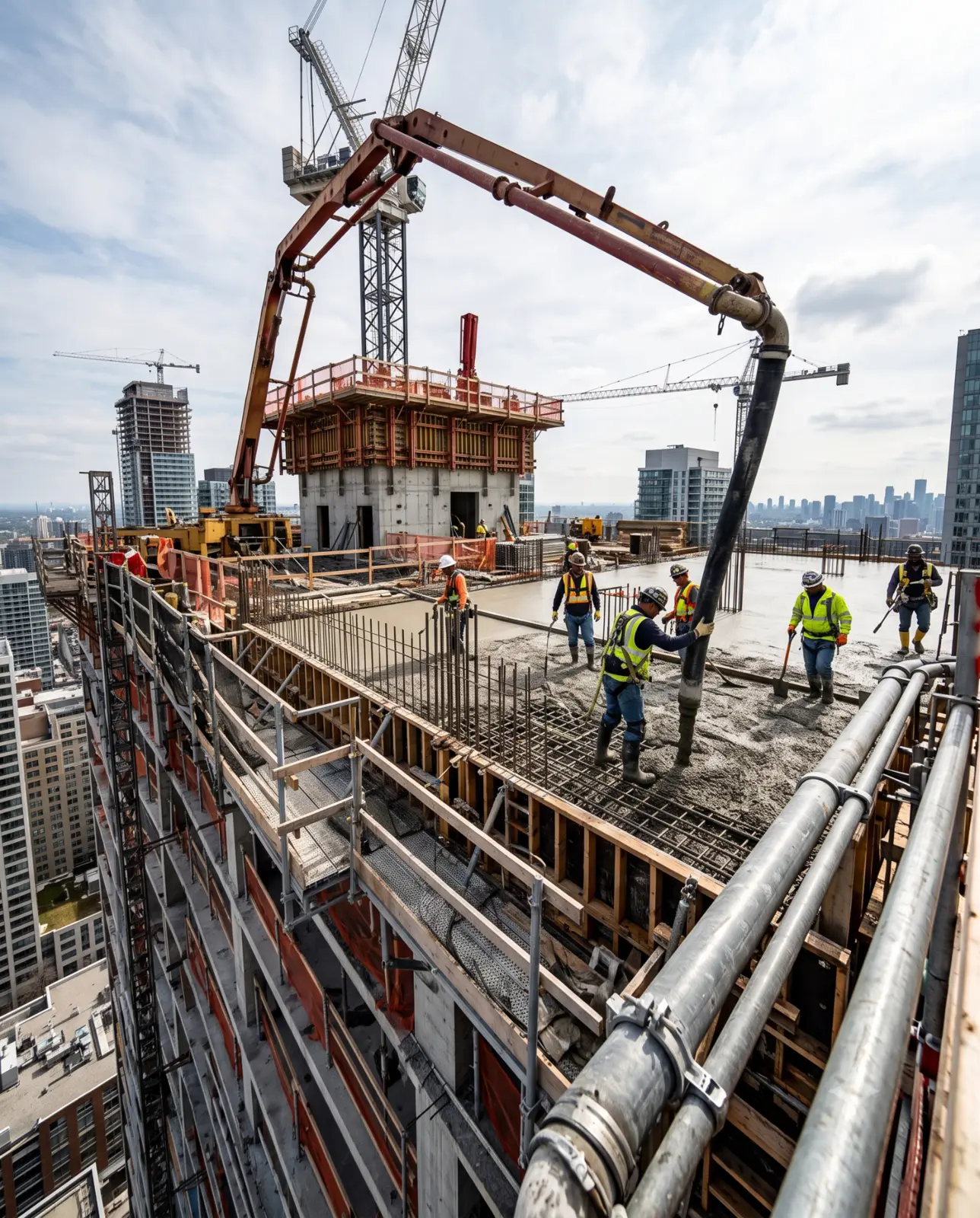
Deep-penetrating organosilicon water repellents that chemically react with mineral silicates inside the pore network. The treatment reduces liquid-water and chloride ingress while preserving high water-vapor permeability, helping protect concrete, masonry and infrastructure without forming a visible surface film.
BLOCK LIQUID WATER
LET VAPOR ESCAPE
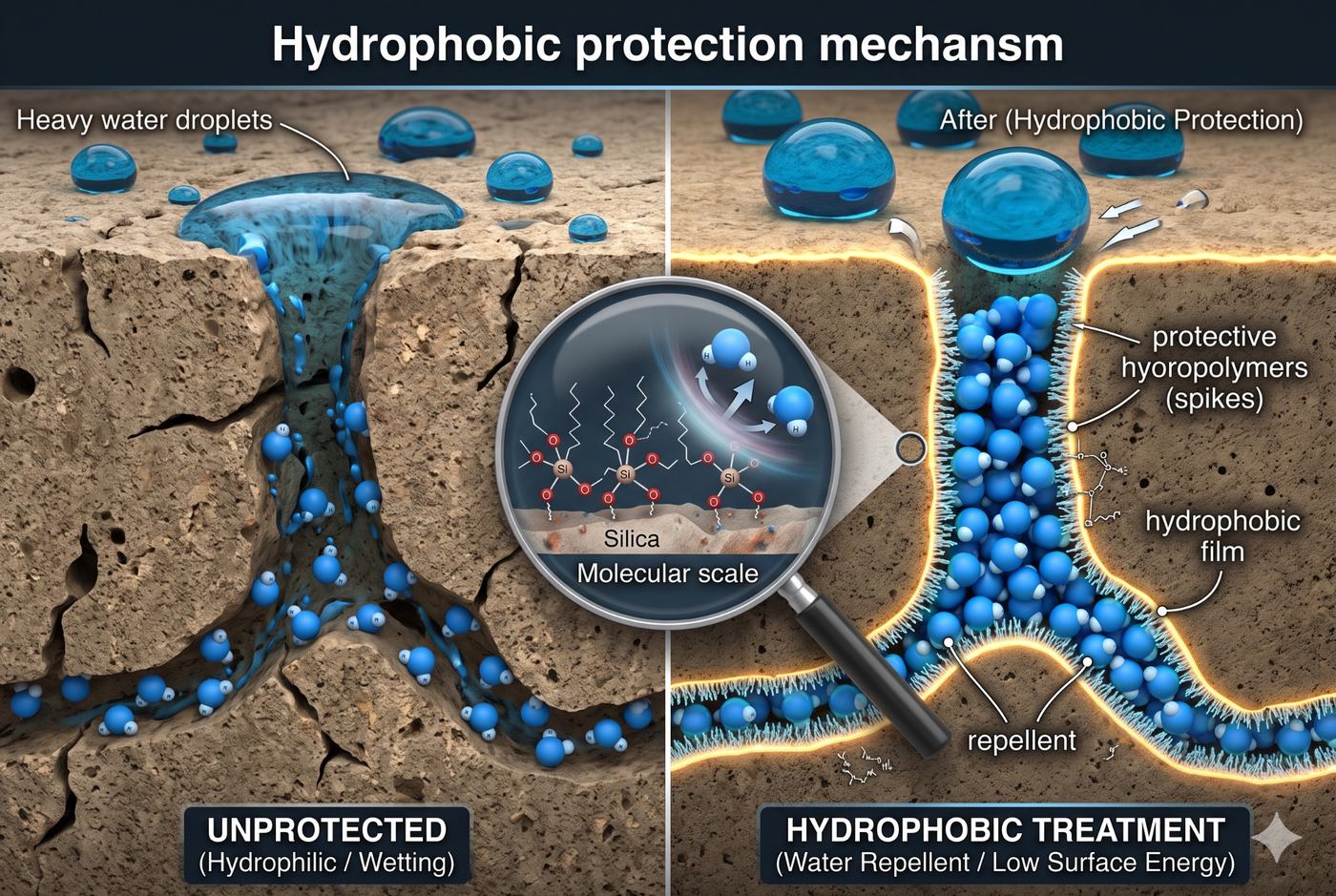
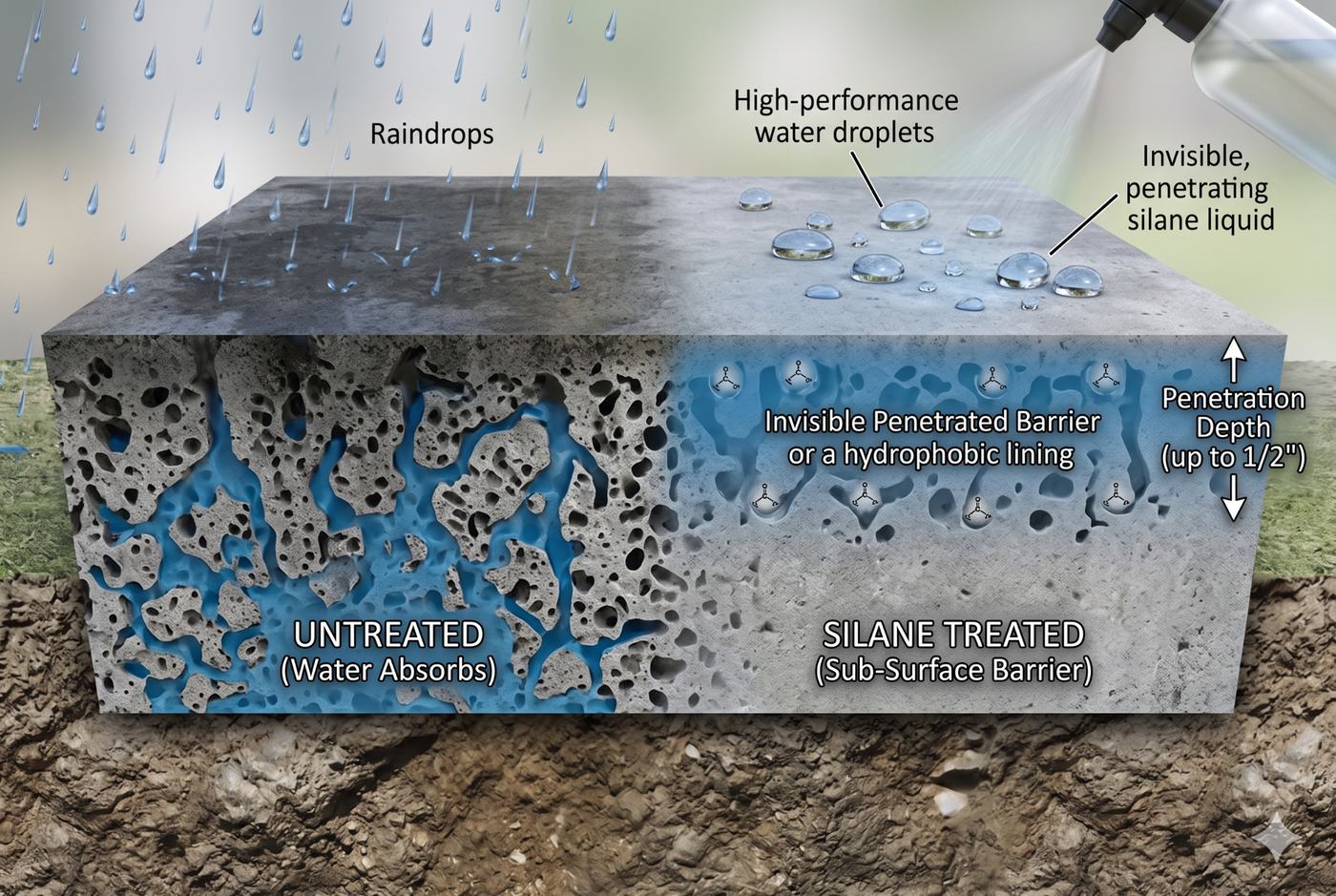
The supplied TDS describes a deep hydrophobic impregnation system rather than a surface coating. Silane and siloxane molecules penetrate the capillary structure, react with mineral silicates and establish an internal silicone-resin barrier.
INVISIBLE PROTECTION.
OPEN, BREATHABLE PORES.
Silane chemistry modifies pore surfaces at molecular scale instead of sealing concrete or masonry with a continuous membrane.
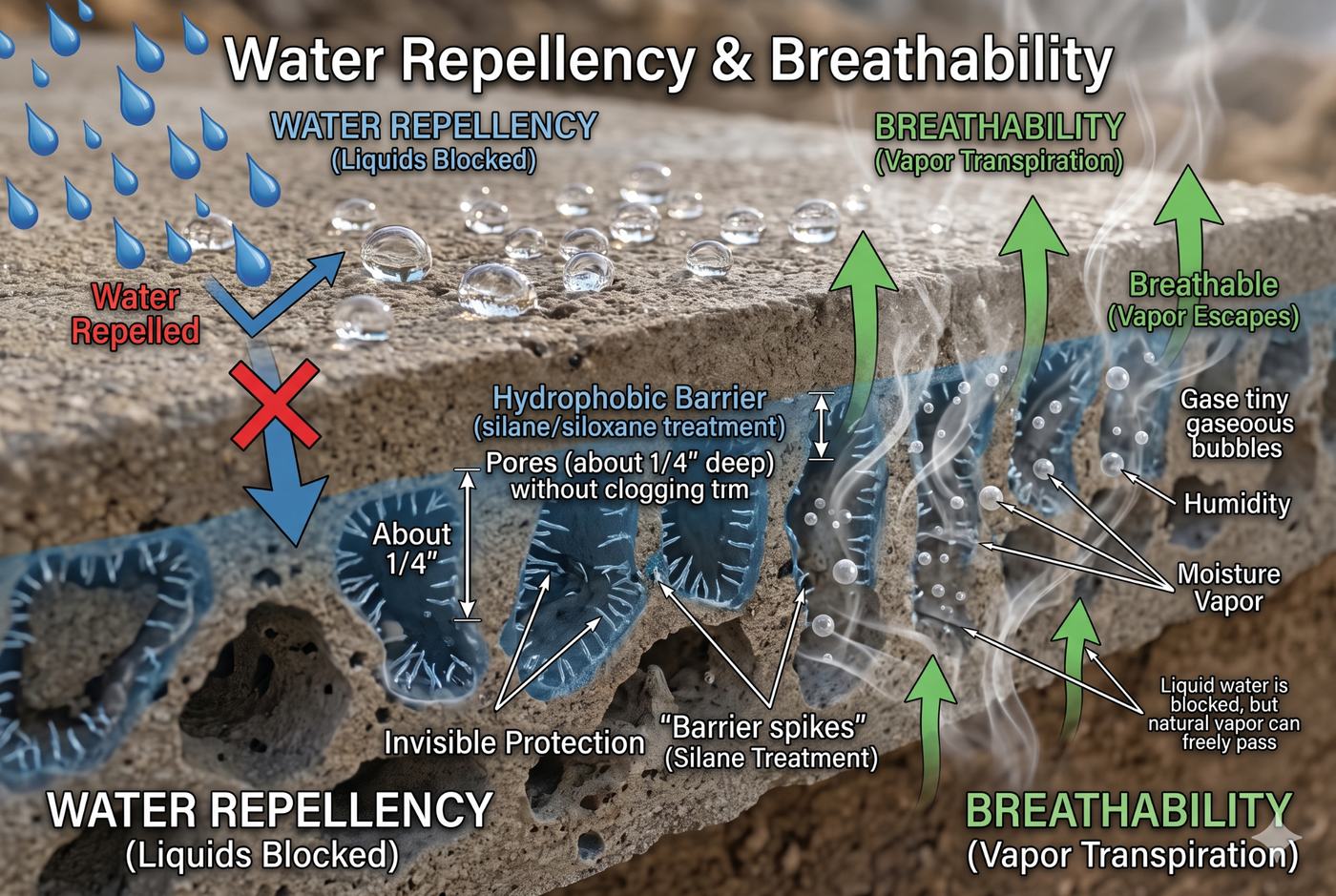
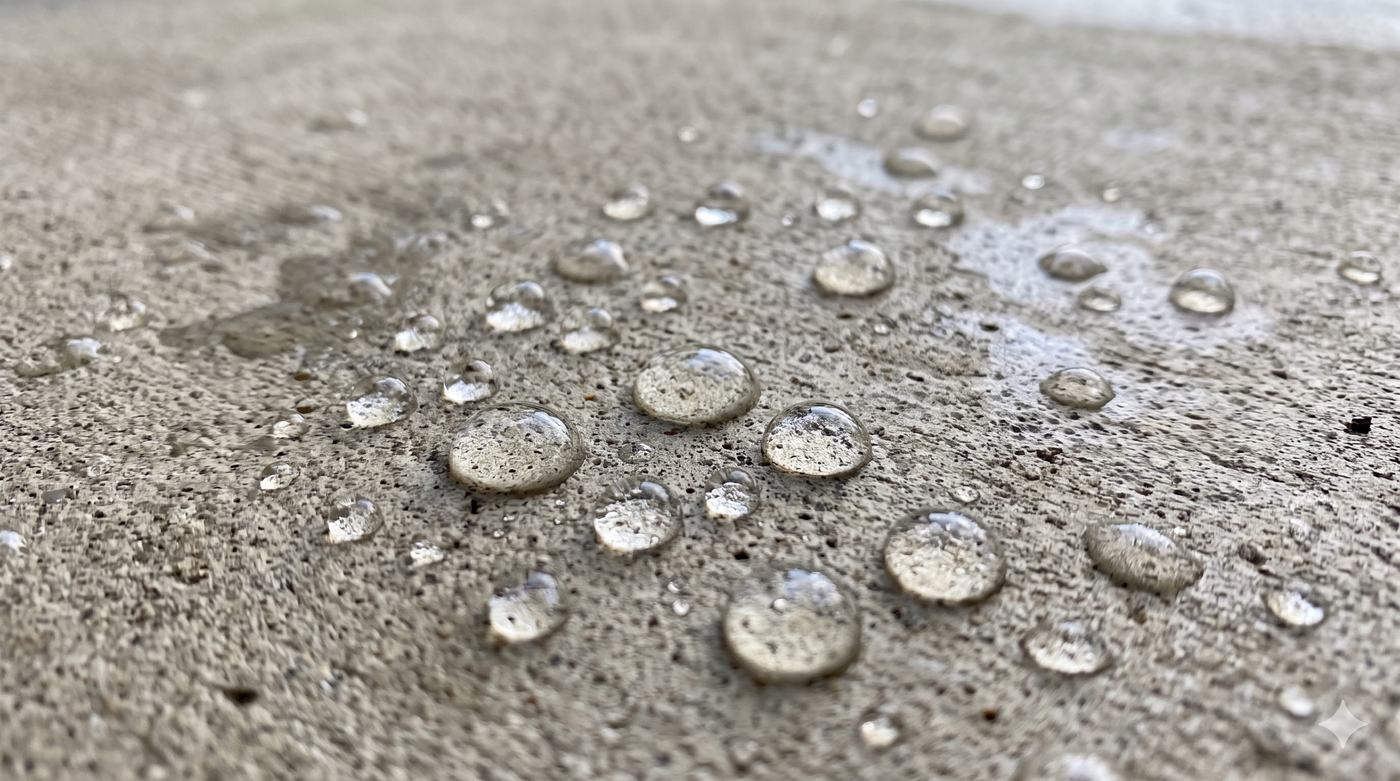
WATER REPELLENCY WITHOUT FILM BUILD
Covalent siloxane crosslinking
Monomeric silanes react with mineral silicates inside capillaries to establish a durable chemical bond.
Hydrophobic pore lining
Organophilic alkyl chains orient into the pore lumen and reverse capillary wetting behavior.
Liquid-water resistance
Rain and splash water are repelled before deep transport through connected capillaries.
Breathability retained
Water vapor continues to diffuse through the pore structure.
SELECT BY SUBSTRATE, DEPTH & JOB GEOMETRY
Each grade changes how the active silane/siloxane chemistry is delivered into concrete or masonry.
SIL-PURE 100
Iso-octyltriethoxysilane, solventless and water-thin. Designed for maximum depth on bridge decks, highways, runways and marine splash zones.
- ≥99% active
- ~2 mPa·s
- 6–10 mm penetration
- >90% chloride reduction
SIL-SOLV 50
Alkylalkoxy silane/siloxane in de-aromatized aliphatic carrier for stone, architectural precast and sandstone.
- 50 ±2% active
- ~3.5 mPa·s
- 3–6 mm penetration
- >85% chloride reduction
SIL-AQUA 20
Organomodified siloxane sol in a solvent-free micro-emulsion for low-VOC work, slightly damp facades, bricks, plaster, stucco and AAC.
- 20 ±1% active
- <10 g/L VOC
- 2–4 mm penetration
- >70% chloride reduction
SIL-CREAM 80
Thixotropic silane/siloxane cream for vertical and overhead concrete, bridge piers, columns, soffits and windy coastal sites.
- 80 ±2% active
- 15,000–25,000 mPa·s
- 6–12 mm penetration
- >92% chloride reduction
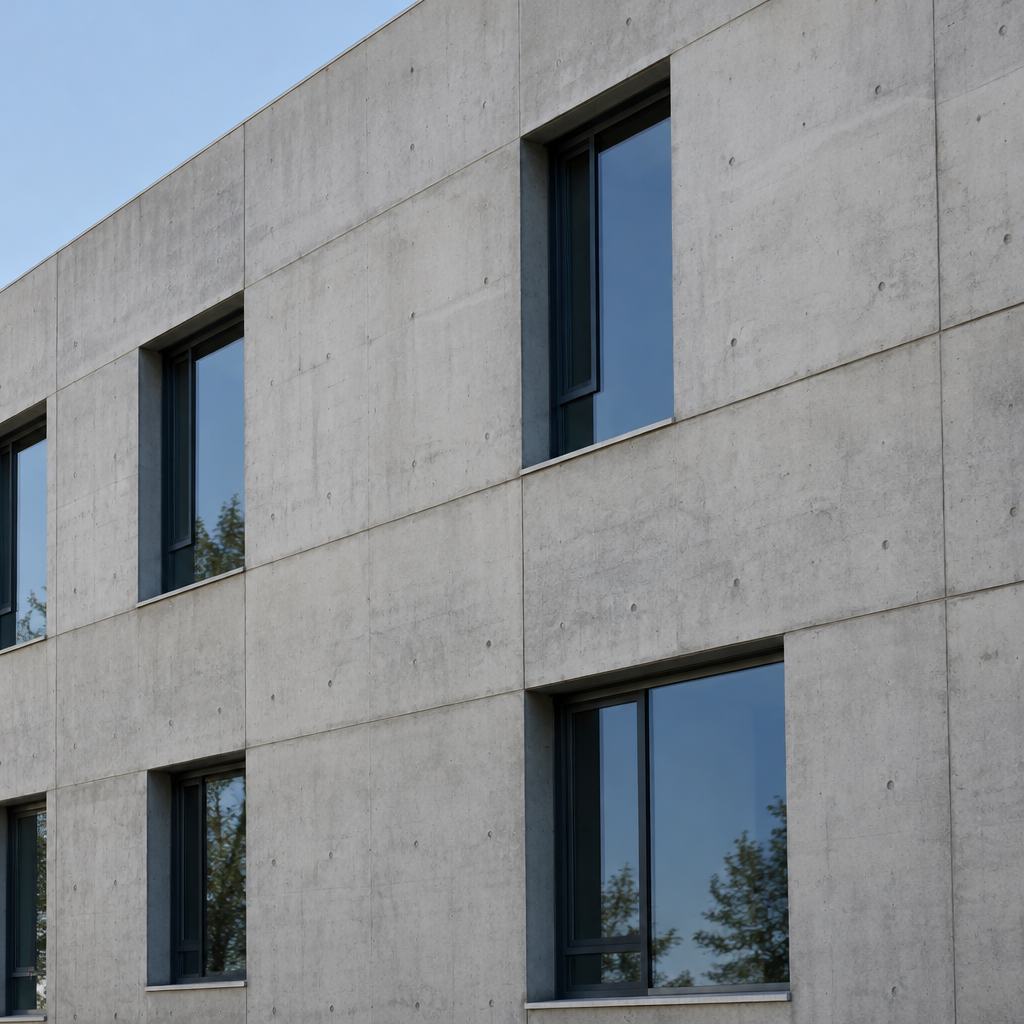
PROTECTION FOR EXPOSED MINERAL SURFACES
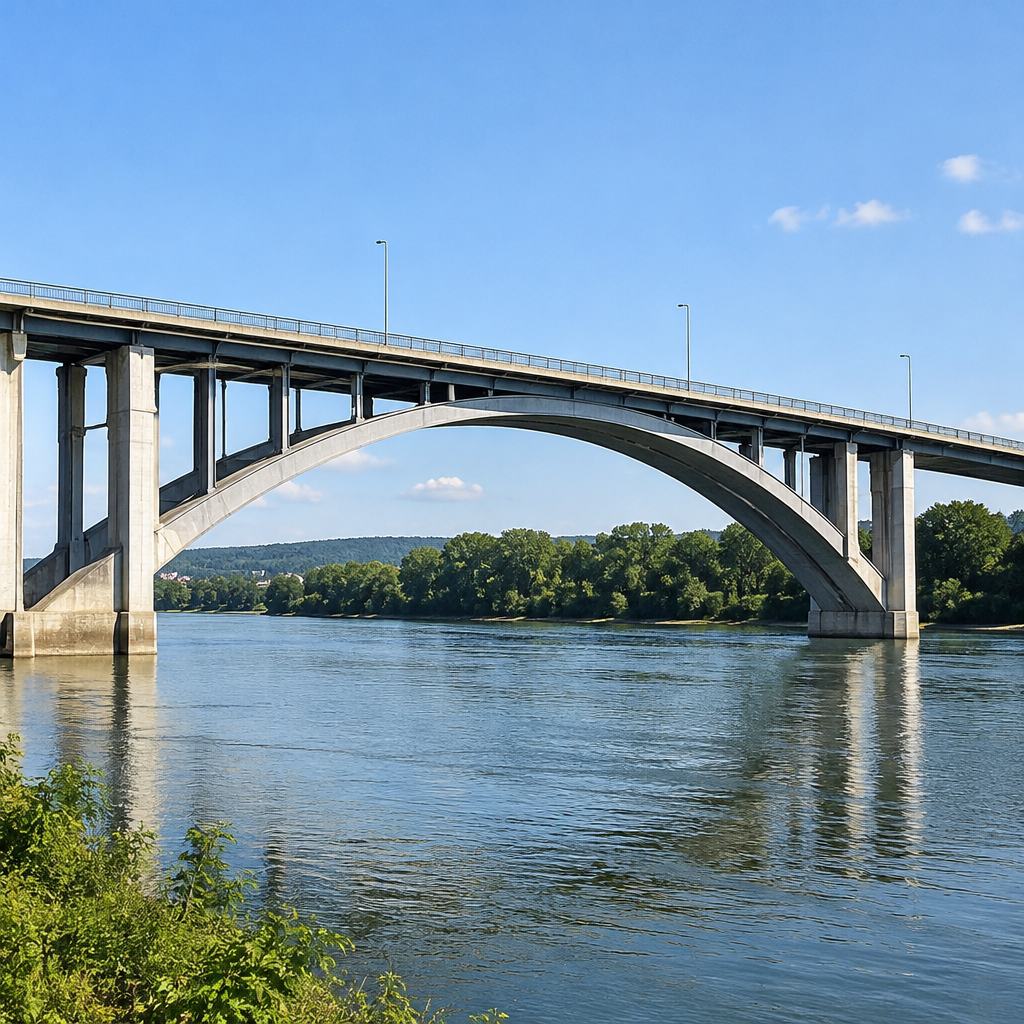
FULL TECHNICAL
DATA
Values below follow the supplied Penetrating Silanes & Siloxanes TDS.
EN 1504-2 Class II positioning: deep hydrophobic impregnation for concrete and masonry protection.
| Parameter | SIL-PURE 100 | SIL-SOLV 50 | SIL-AQUA 20 | SIL-CREAM 80 |
|---|---|---|---|---|
| Chemical Nature | Iso-octyltriethoxysilane | Alkylalkoxy silane/siloxane | Organomodified siloxane sol | Silane/siloxane polymer |
| Physical State | Clear liquid · solventless | Clear transparent liquid | Milky micro-emulsion | Thixotropic cream paste |
| Active Content | ≥99.0% | 50.0% ±2.0% | 20.0% ±1.0% | 80.0% ±2.0% |
| Carrier | 100% active · zero carrier | De-aromatized aliphatic | Waterborne · solvent-free | Aqueous thixotropic emulsion |
| Molecular / Droplet Size | 1.0–1.5 nm | 1.5–3.0 nm | 10–30 nm | 1.0–2.0 nm |
| Specific Density · 20°C | 0.875–0.885 | 0.820–0.850 | 0.980–1.010 | 0.880–0.920 g/cm³ |
| Viscosity · 25°C | ~2.0 mPa·s | ~3.5 mPa·s | ~15 mPa·s | 15,000–25,000 mPa·s |
| Flash Point | >65°C | ~43°C | Non-flammable · >100°C | >65°C |
| VOC | Low VOC | Exempt solvent options | <10 g/L | <50 g/L |
| Vertical Runoff | Requires mist coats | Requires light coats | Standard penetration | Zero runoff · non-sag |
| Penetration · C30/37 | 6–10 mm | 3–6 mm | 2–4 mm | 6–12 mm |
| Chloride Reduction | >90% | >85% | >70% | >92% |
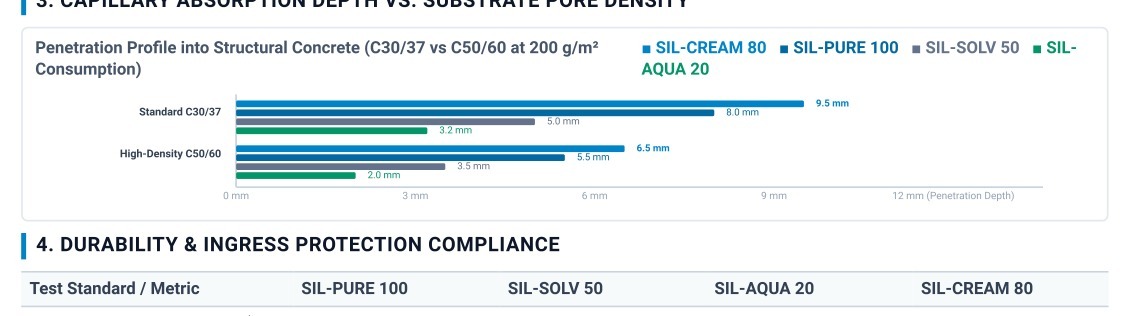
DEPTH INTO THE SUBSTRATE.
RESISTANCE AT THE SURFACE.
Penetration Profile · C30/37 vs C50/60
Extracted directly from page 2 of the supplied TDS at 200 g/m² consumption.
Ingress Protection Comparison
Bar lengths visualize the minimum reported TDS values; labels retain the reported performance.
HYDROPHOBIC PROTECTION
THAT STAYS BREATHABLE
The TDS combines water-ingress resistance, chloride reduction and high vapor transmission in the same treatment platform.
Durability Metrics
Water-vapor permeability: >90% to >95% · EN ISO 7783 · Class I
Freeze-thaw / deicing: pass 50 cycles; PURE and CREAM list 0 scaling
UV & alkali: TDS states complete UV stability and resistance to pH 12.5–13.5 pore solution
Coverage: 0.20–0.60 L/m² depending on liquid grade; CREAM 80 at 0.20–0.40 kg/m²
Why Breathability Matters
The treatment is described as a pore-lining hydrophobic system. Liquid water is resisted while moisture vapor remains able to diffuse through the pore network.
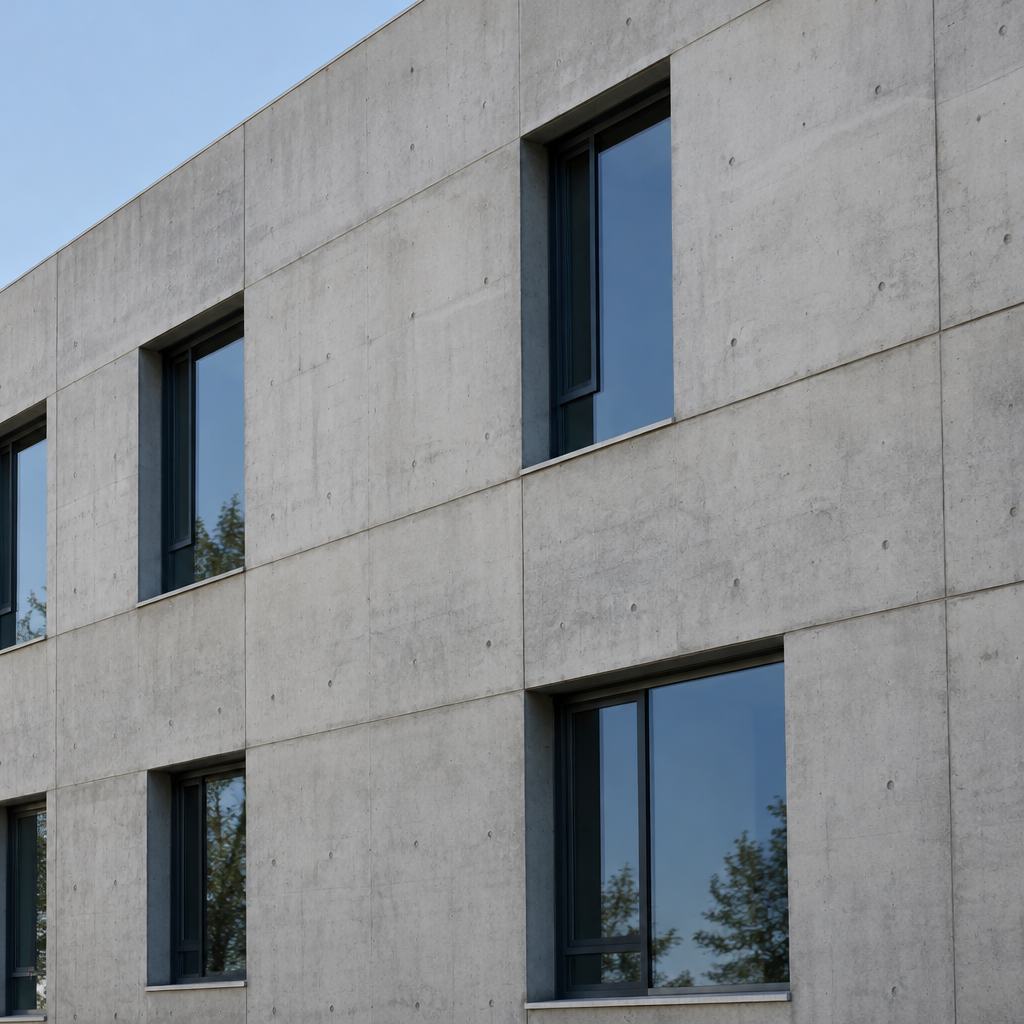
THE SURFACE LOOKS THE SAME THE CAPILLARIES BEHAVE DIFFERENTLY
NOT A THICK MEMBRANE
Penetrating silanes and siloxanes are intended to work below the surface. Properly selected and applied, they do not depend on a continuous visible film to provide water repellency.
This is useful for exposed concrete, bridge elements, precast and mineral facades where original appearance and vapor exchange should be retained.
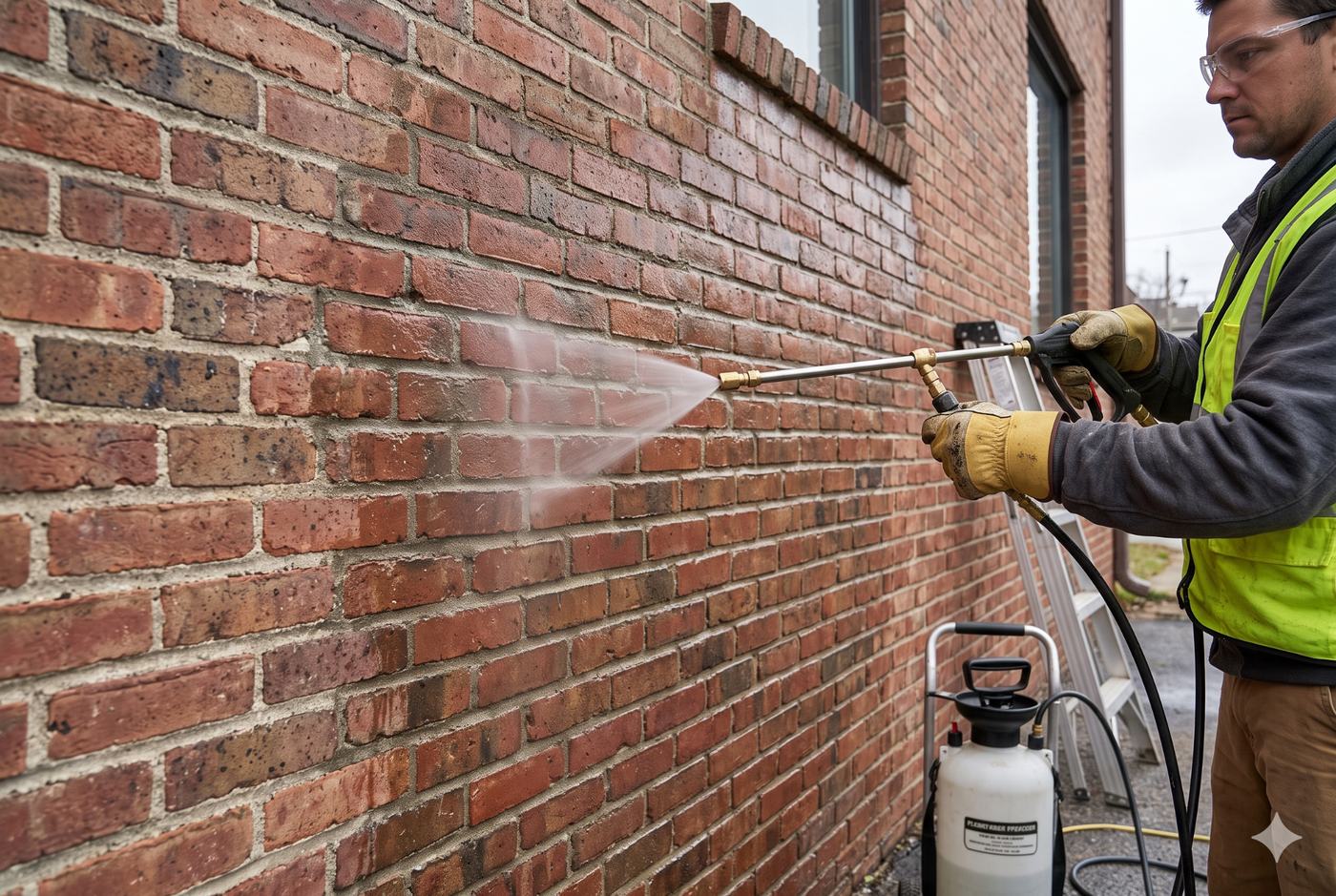
PREPARE THE SUBSTRATE LET THE CHEMISTRY PENETRATE
Cure Concrete
TDS protocol: concrete should be cured at least 21–28 days.
Clean Surface
Remove efflorescence, oils and curing compounds that may block capillary uptake.
Check Moisture
<4–5% for solvent/neat silanes; <7% for waterborne SIL-AQUA 20.
Application Equipment
PURE/SOLV: low-pressure HVLP or flood coat. CREAM: airless spray 517 tip or lamb's-wool roller.
Storage
Store sealed containers between +5°C and +30°C.
FAQ
Practical questions based on the supplied TDS.
Need Our Services?
Call: +91 97695 93030
Work Hours
Mon – Sat: 9:00 AM – 6:00 PM IST
Email Us
support@geoconproducts.com