

Engineered defoaming, antifoaming and micro-deaerating additives for ready-mix concrete, precast, natural-stone resin systems, wet-mix shotcrete, dry mortars and precision grouts. FOAMSTAB is designed to collapse visible foam, release micro-entrained air and reduce bugholes, pinholes, haze and density loss.
REMOVE THE AIR
RECOVER THE DENSITY
The supplied TDS separates FOAMSTAB into four application-specific chemistries: a polyether for concrete, a transparent resin deaerator, an organosilicone emulsion for shotcrete and a powder antifoam for dry mortars and grouts.
DESTABILIZE THE FILM.
RELEASE THE BUBBLE.
The TDS describes interfacial-tension rupture: FOAMSTAB molecules migrate to air-water or air-resin interfaces, displace stabilizing surfactant films and thin the bubble lamella until rupture.

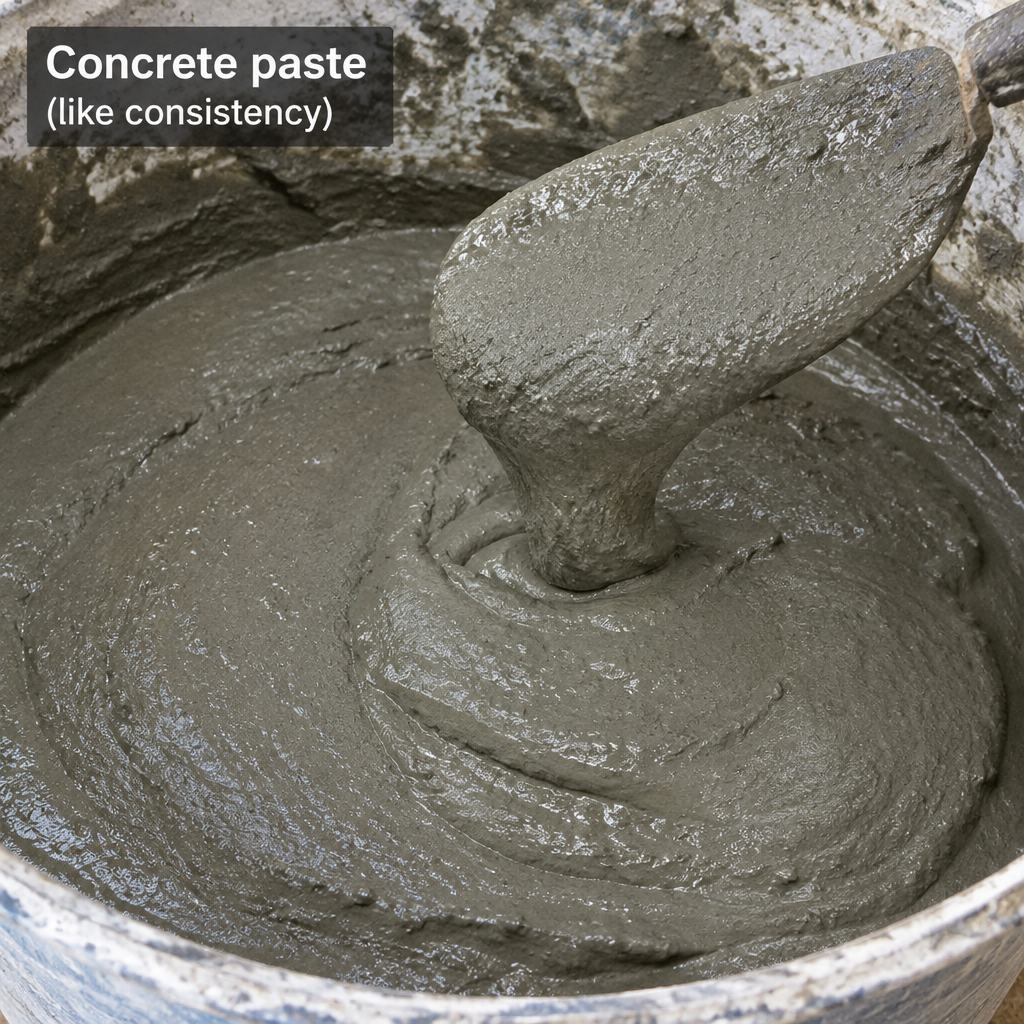
FOAM BUBBLES
Foam = Stabilized Air/Liquid Interfaces
Mixing energy, PCEs, cellulose ethers and resin viscosity can stabilize bubbles. FOAMSTAB disrupts the stabilizing film and promotes air release.
THREE AIR-CONTROL ACTIONS
Defoaming
Rapid collapse of existing visible macro-foam.
Antifoaming
Reduction of foam re-formation under continued shear and surfactant exposure.
Deaeration
Micro-bubbles coalesce and float out before concrete sets or resin gels.
Matrix-specific chemistry
Polyether, fluorosilicone/organic, organosilicone emulsion and powder-on-carrier technologies are used for different construction systems.
SELECT BY MATRIX & AIR PROBLEM
FOAMSTAB C-100, EP-50, SC-80 and P-25 cover liquid concrete, transparent resin, wet shotcrete and dry-mix systems.
FOAMSTAB C-100
Polyalkylene glycol / polyether, 100% active and solventless.
- SG 0.98–1.02
- 150–350 mPa·s
- pH 6.0–7.5
- 0.05–0.20% BWOC
- High shear stability
FOAMSTAB EP-50
Fluorosilicone / organic deaerator, 100% active, zero solvent and optically clear.
- SG 0.95–0.99
- 80–200 mPa·s
- 100% clear
- 0.10–0.50% on resin
- Vacuum-degassing compatible
FOAMSTAB SC-80
Modified organosilicone emulsion for pumped sprayed concrete.
- 30 ±1% active
- SG 0.99–1.02
- 400–900 mPa·s
- 0.15–0.40% BWOC
- Waterborne / non-flammable
FOAMSTAB P-25
Hydrocarbon/silicone active carried on silica for direct dry blending.
- 50 ±2% active load
- Bulk 0.35–0.45 g/cm³
- White free-flowing powder
- 0.10–0.30% dry mix wt.
- Instant activation on gauging
WHERE EACH GRADE EARNS ITS PLACE
Dosages and target benefits below follow the application table in the supplied TDS.
C-100
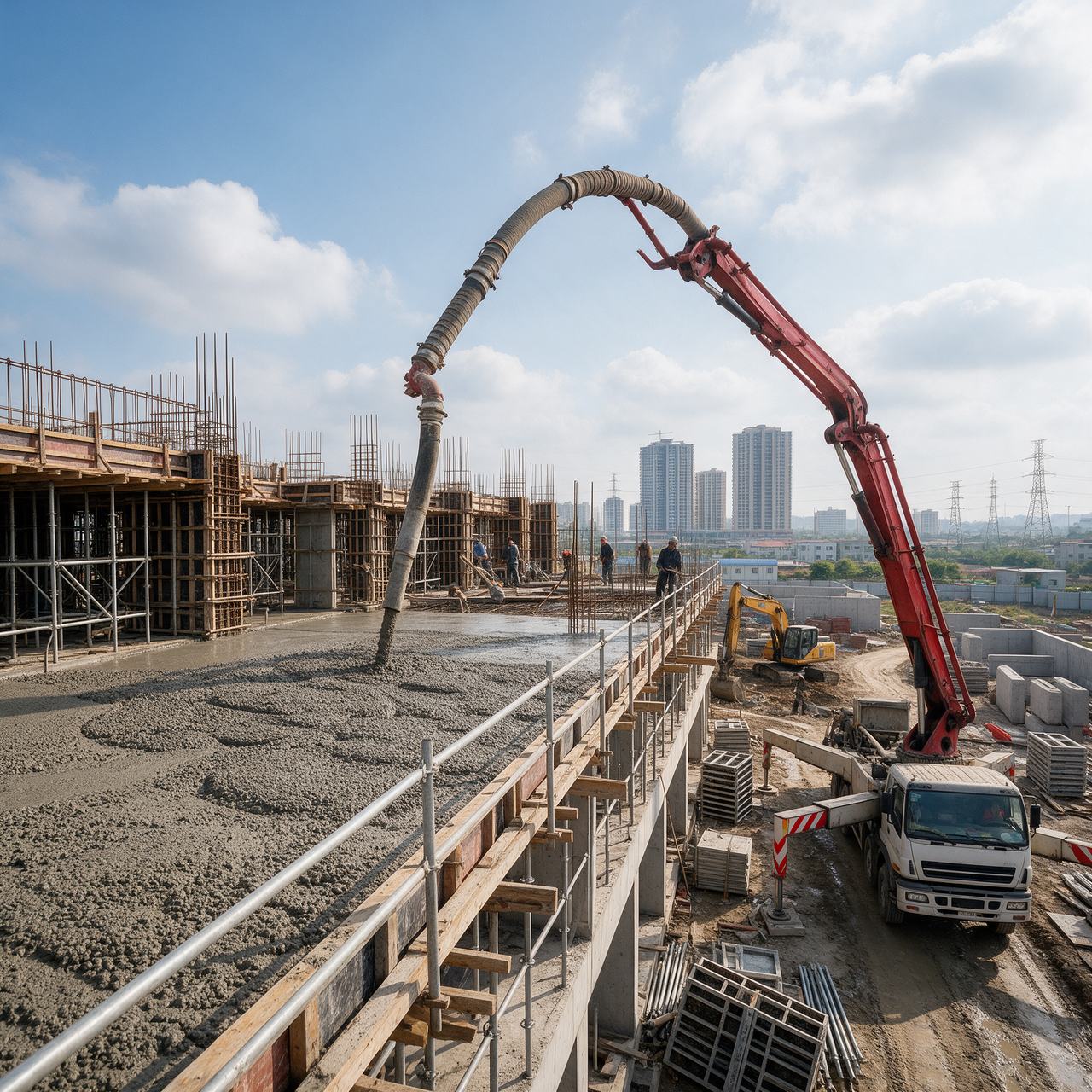
Ready-Mix & SCC
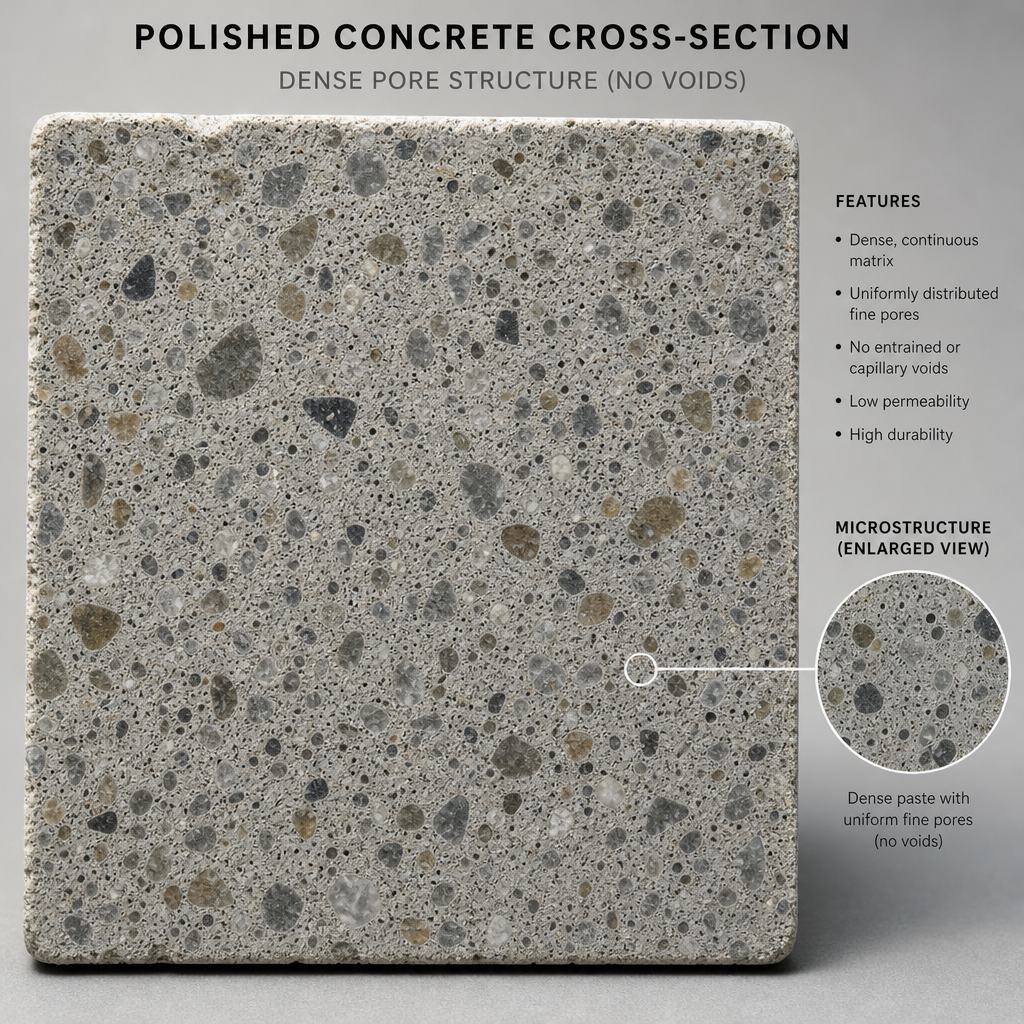
Suppresses surfactant foam from PCEs and targets total air below 2.0%.
0.05–0.15% BWOCC-100
Precast Architectural Elements
Targets smooth mold-face finish with fewer pinholes against steel formwork.
0.08–0.20% BWOCEP-50
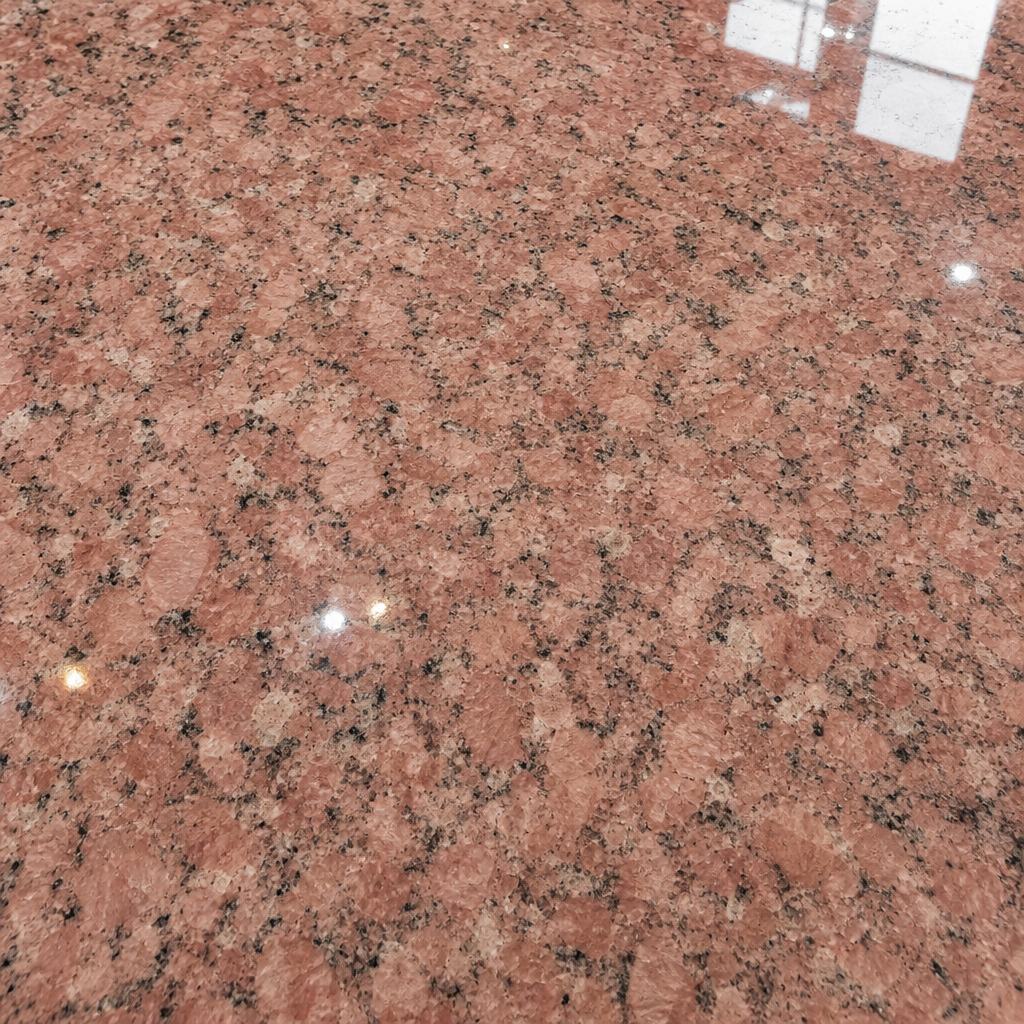
Natural Stone Epoxy & PU Polish
Deaerates micro-bubbles during slab mastic filling while preserving optical clarity.
0.10–0.40% on resinSC-80
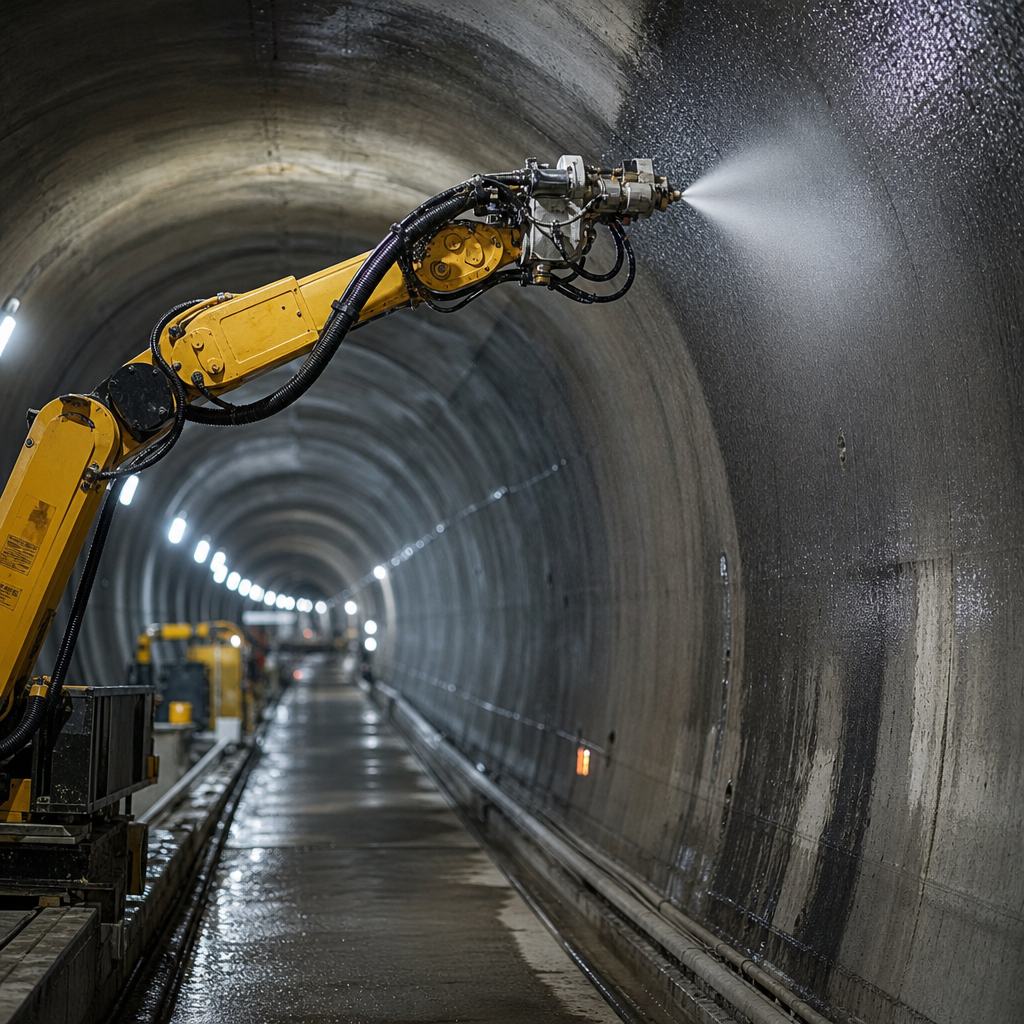
Wet-Mix Tunnelling Shotcrete
Prevents pump-line air cushioning and supports in-situ impact density and compaction.
0.15–0.35% BWOCP-25
Non-Shrink Machine Grouts
Targets EBA above 85% and reduced plastic volume settlement.
0.15–0.30% dry mix wt.P-25
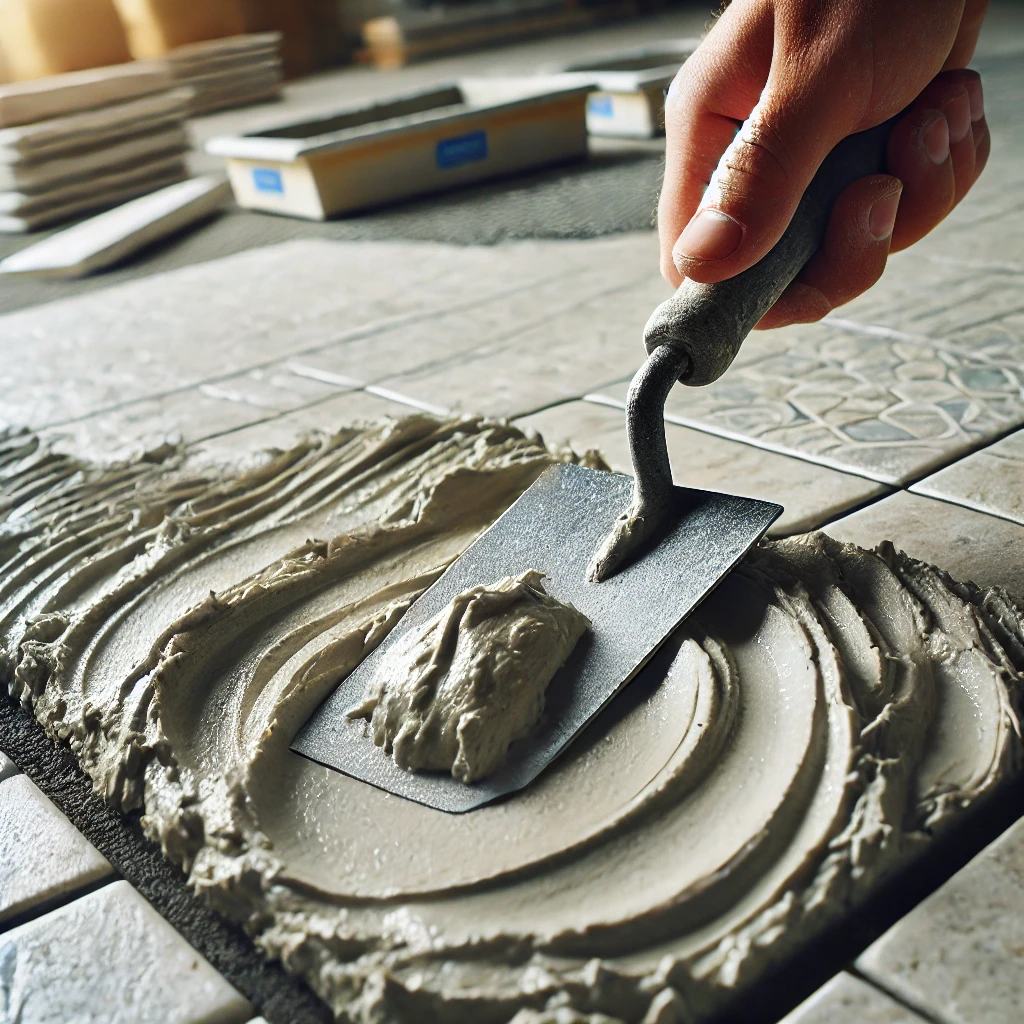
Tile Adhesives & Self-Leveling Screeds
Neutralizes HPMC/RDP-related foaming and supports smoother surface levelness.
0.10–0.25% dry mix wt.
FULL TECHNICAL
DATA
Specifications below are based on the supplied FOAMSTAB construction TDS.
Standards cited: EN 934-2 / ASTM C494 / ISO 9001.
| Parameter | C-100 | EP-50 | SC-80 | P-25 Powder |
|---|---|---|---|---|
| Target Sector | Concrete · RMC / Precast | Natural Stone Epoxy / PU | Wet-Mix Shotcrete | Dry Mortars & Grouts |
| Chemical Nature | Polyalkylene glycol / polyether | Fluorosilicone / organic deaerator | Modified organosilicone emulsion | Hydrocarbon/silicone on silica carrier |
| Appearance | Clear to pale-yellow liquid | Water-clear transparent liquid | Milky white fluid emulsion | White free-flowing fine powder |
| Active Solids | 100% · solventless | 100% · zero solvent | 30.0 ±1.0% | 50.0 ±2.0% active load |
| Specific Gravity · 20°C | 0.98–1.02 | 0.95–0.99 | 0.99–1.02 | Bulk 0.35–0.45 g/cm³ |
| Viscosity · 25°C | 150–350 mPa·s | 80–200 mPa·s | 400–900 mPa·s | Solid powder · <150 μm mesh |
| pH · 10% Dispersion | 6.0–7.5 | Non-aqueous · neutral | 6.5–8.0 | 6.5–8.5 |
| Flash Point | >160°C | >110°C | Non-flammable · waterborne | N/A |
| Optical Clarity | N/A | 100% clear · zero haze/turbidity | N/A | N/A |
| Shear Stability | High · intense pan mixers | Exceptional · vacuum degassing | High · pipeline pumping head | Stable under dry ribbon blending |
| Alkali Stability | 100% stable in cement paste | Inert to amine curatives | Stable in alkali accelerator stream | Instant activation on dry gauging |
| Recommended Dosage | 0.05–0.20% BWOC | 0.10–0.50% on resin | 0.15–0.40% BWOC | 0.10–0.30% dry mix wt. |
AIR CONTENT DOWN.
MECHANICAL DENSITY UP.
Entrained Air & Compressive Strength
Extracted from page 2 of the supplied TDS. The left chart contrasts PCE-related air with the stable C-100 air level; the right chart links lower air with higher compressive strength.
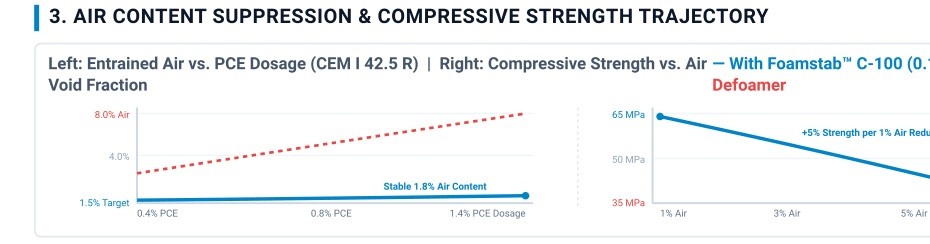
Key Source Annotations
Key performance references highlighted in the supplied TDS chart.
Stable air content highlighted for C-100 in the source chart.
Source annotation: strength per 1% air reduced.
Upper strength reference shown on the TDS chart.
Upper void-fraction reference on the source chart.
Field results depend on cement, PCE chemistry, aggregates, mixing energy and curing; confirm the optimum dose with trial mixes.
FROM MIXER TO FORM FACE. FROM TUNNEL TO STONE LINE.
USE THE RIGHT GRADE. USE IT AT THE RIGHT STAGE.
C-100 + PCE
The TDS states C-100 is completely soluble/dispersible in liquid PCE mother liquors and can be blended directly into concentrates without phase separation or oil slicking.
EP-50 in Resin
Add EP-50 into Part A resin before hardener mixing. The TDS gives a 60–120 second deaeration window.
SC-80
Protect the liquid emulsion strictly from frost.
Packaging
Liquid grades: 25 kg pails, 200 kg drums and 1000 kg IBCs. P-25 powder: 20 kg bags.
Storage
Store between +5°C and +35°C in dry conditions.
FAQ
Application guidance based on the supplied FOAMSTAB Construction TDS.
Need Our Services?
Call: +91 97695 93030
Work Hours
Mon – Sat: 9:00 AM – 6:00 PM IST
Email Us
support@geoconproducts.com